

Ranjha Ranjha Kardi Drama Review – The Pakistani drama industry has given audiences many unforgettable stories, but Ranjha Ranjha Kardi stands out as one of its finest creations. This drama, aired on Hum TV, earned massive acclaim for its unique storyline, emotional intensity, and outstanding performances. In this Ranjha Ranjha Kardi Drama Review, we will explore how the serial redefined storytelling by highlighting raw emotions, social realities, and unforgettable characters. The drama’s impactful script, coupled with exceptional acting by Iqra Aziz and Imran Ashraf, turned it into a masterpiece that continues to resonate with audiences even years after its release. Whether it is the depth of its narrative, the strength of its themes, or the brilliance of its direction, Ranjha Ranjha Kardi remains a benchmark in Pakistani television.
From the very beginning, Ranjha Ranjha Kardi distinguished itself from the typical romantic or family-oriented dramas that dominate Pakistani television. Instead, it focused on social issues, human emotions, and the struggles of marginalized individuals within society. The drama’s core essence lies in the portrayal of Noori, a young woman striving to change her fate, and Bhola, a mentally challenged yet deeply pure-hearted man who becomes central to her journey. Unlike other dramas that thrive on glamour or unrealistic plotlines, this one delved into painful realities that many families and individuals in Pakistan quietly endure.
The introduction to any Ranjha Ranjha Kardi Drama Review must emphasize how the show immediately attracted attention with its unique premise. Directed by the talented Kashif Nisar and penned by the renowned playwright Faiza Iftikhar, the drama stood out for its uncompromising honesty. Both critics and fans were quick to notice that this was not a project aiming for superficial entertainment—it was a socially relevant masterpiece that shed light on class differences, the value of dignity, and the power dynamics within relationships.
One of the strongest aspects of the drama, and something that must be highlighted in a comprehensive Ranjha Ranjha Kardi Drama Review, is its ability to blend realism with emotional depth. The director avoided exaggeration, instead opting for authentic depictions of everyday struggles. The village scenes, the bustling city life, and even the small household details were all designed to make the audience feel as though they were peeking into real lives rather than watching scripted fiction. This grounded storytelling style is one of the main reasons the drama became such a sensation.
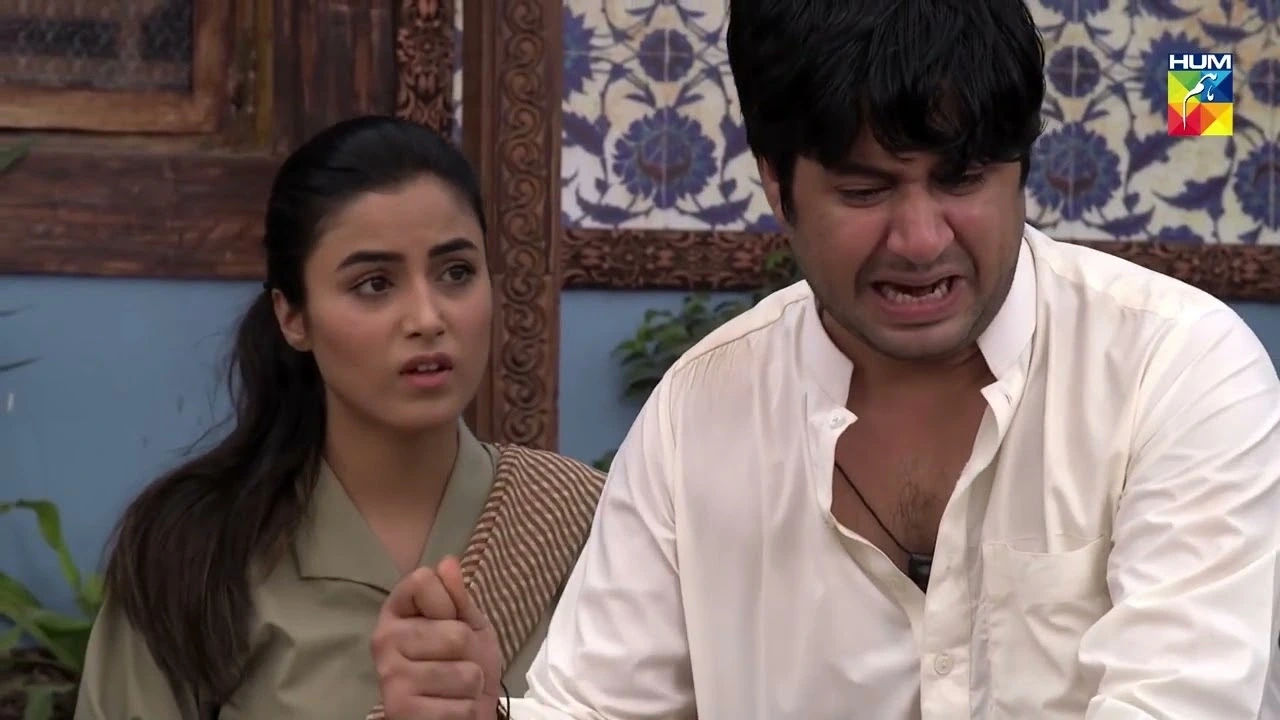
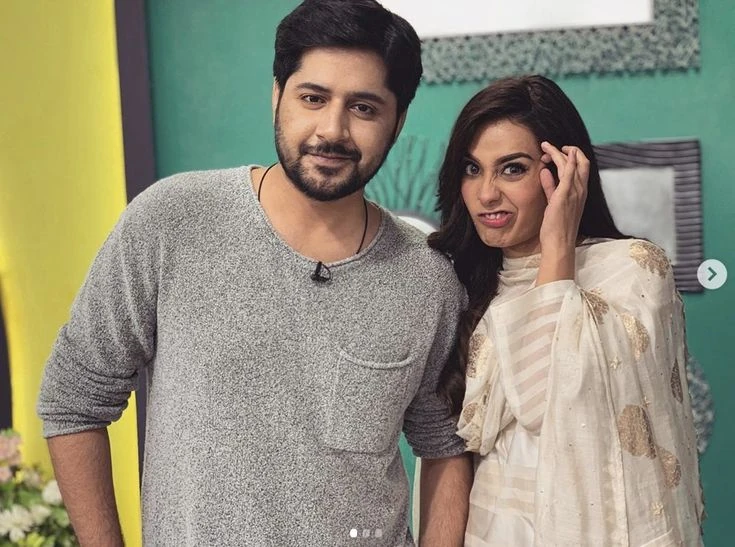
Another critical factor that made Ranjha Ranjha Kardi special was its casting. The drama brought together powerhouse performers such as Iqra Aziz as Noori and Imran Ashraf as Bhola. While Iqra Aziz’s portrayal of Noori was both inspiring and heartbreaking, it was Imran Ashraf’s performance that elevated the drama into legendary status. His role as Bhola is widely considered one of the greatest performances in the history of Pakistani television. Any detailed Ranjha Ranjha Kardi Drama Review must acknowledge that Imran Ashraf gave a character with a mental disability such dignity, depth, and humanity that audiences could not help but fall in love with him. His dialogues, mannerisms, and expressions touched the hearts of millions, proving that acting is not about glamour but about authenticity.
The drama’s introduction also deserves to underline its cultural significance. Pakistani audiences are used to dramas focusing heavily on romantic pairings, family feuds, or stereotypical portrayals of women. But Ranjha Ranjha Kardi went beyond that. It addressed questions of morality, identity, and survival in a society where poverty, ignorance, and class divisions still dominate. By weaving these themes into a compelling story, the drama forced its viewers to reflect on their own prejudices and assumptions. This is why any Ranjha Ranjha Kardi Drama Review is incomplete without mentioning the broader conversation it started about empathy and human dignity.
Moreover, the introduction should explain that the drama was not only loved locally but also gained international attention. With the rise of digital platforms, viewers from around the world discovered it and praised the Pakistani drama industry for producing content with such depth. For global audiences, Ranjha Ranjha Kardi became an entry point into South Asian storytelling, proving that Pakistani dramas are more than just entertainment—they are cultural exports that carry universal human themes.
In conclusion, the Ranjha Ranjha Kardi Drama Review must begin with a recognition of the drama’s extraordinary impact. From its bold themes to its phenomenal acting, from its realistic settings to its socially conscious narrative, the drama carved a permanent place in the history of television. The introduction sets the stage for deeper analysis in later sections, but even at this point, it is clear that Ranjha Ranjha Kardi was not an ordinary production. It was, and remains, a drama that redefined what Pakistani television can achieve when writers, directors, and actors work with vision and sincerity.
Background Information
When discussing the Ranjha Ranjha Kardi Drama Review, it is essential to understand the context in which the drama was created and aired. Pakistani dramas have long been admired for their depth and realism, but in recent years, the industry has often been criticized for recycling the same formulas—romantic triangles, family politics, and exaggerated conflicts. Amid this repetitive landscape, Ranjha Ranjha Kardi emerged as a breath of fresh air, bringing a story that was rooted in reality yet poetic in its execution.
The drama aired on Hum TV in late 2018 and quickly became one of the most talked-about serials of the year. Written by Faiza Iftikhar, a seasoned playwright known for her bold and socially conscious scripts, the drama was directed by Kashif Nisar, whose reputation for handling sensitive subjects with honesty and nuance was already well-established. The combination of Faiza Iftikhar’s writing and Kashif Nisar’s direction created a synergy that made Ranjha Ranjha Kardi more than just a television show—it became a cultural conversation starter.
In any detailed Ranjha Ranjha Kardi Drama Review, one cannot ignore the relevance of its title. The phrase “Ranjha Ranjha Kardi” comes from the timeless love story of Heer and Ranjha, a folktale deeply embedded in Punjabi culture. The title immediately evokes themes of longing, sacrifice, and purity of heart. Yet, the drama reinterprets these themes in a modern context. Instead of retelling the legend, it presents a story of Noori and Bhola, whose lives are full of struggle and hardship but who ultimately redefine what love and sacrifice mean in today’s world.
The background of this drama also lies in its daring subject matter. Unlike many mainstream serials, Ranjha Ranjha Kardi chose to center its narrative on marginalized individuals. Noori, the female lead, comes from a family of waste pickers—a section of society rarely depicted on television except in passing. Her dream is to escape poverty and live a life of dignity. On the other hand, Bhola, the male lead, is mentally challenged, representing another group that is often either stereotyped or ignored in media. Together, these two characters give the audience an entry point into a world that is raw, neglected, and brutally honest.
Another important aspect to cover in the Ranjha Ranjha Kardi Drama Review is the timing of its release. In 2018, Pakistani society was witnessing heightened discussions about class struggles, women’s empowerment, and the treatment of vulnerable individuals. The drama tapped into these conversations, forcing audiences to confront uncomfortable truths. For many viewers, it was a mirror reflecting the harsh realities of life that they might have ignored or been unwilling to acknowledge.
The drama also benefitted from stellar performances by its cast, and that too has roots in its background. Imran Ashraf, who played Bhola, had been known as a versatile actor but had never been given a role of this magnitude before. His portrayal of Bhola became a turning point in his career and cemented his reputation as one of the finest actors of his generation. Similarly, Iqra Aziz, who played Noori, was already rising in popularity, but her performance in this drama elevated her to a new level of critical and popular acclaim. These casting choices were deliberate, as the director wanted actors who could embody the struggles of their characters with raw authenticity.
A Ranjha Ranjha Kardi Drama Review also has to acknowledge the production quality. While the drama did not rely on extravagant sets or luxurious wardrobes like many mainstream dramas, its simple and realistic production design worked in its favor. The settings—from Noori’s humble household to Bhola’s family mansion—were carefully chosen to highlight the contrast between wealth and poverty, privilege and struggle. This visual storytelling reinforced the drama’s themes without overshadowing them.
The background of the drama also involves the reception of its OST (original soundtrack). Sung with soulful depth, the OST of Ranjha Ranjha Kardi resonated with the emotions of the story. Its lyrics echoed the struggles of Noori and Bhola, adding another layer of depth to the overall viewing experience. Music played an important role in amplifying the themes, and the OST became a fan favorite, often mentioned in every Ranjha Ranjha Kardi Drama Review.
Finally, in terms of cultural background, the drama redefined the role of television in Pakistan. While entertainment has always been the prime function of dramas, Ranjha Ranjha Kardi reminded viewers that television could also educate, inspire empathy, and challenge societal stereotypes. It was a wake-up call for the industry to diversify its narratives and include voices that had long been silenced.
In conclusion, when exploring the background of Ranjha Ranjha Kardi, it is clear that the drama was more than just a serial. It was the product of a perfect storm: a talented writer and director, brilliant actors at their peak, and a socially relevant story that arrived at the right time. Any thorough Ranjha Ranjha Kardi Drama Review must begin with this background to fully appreciate how the drama became a cultural milestone in Pakistani television history.
Plot Summary
When writing a Ranjha Ranjha Kardi Drama Review, one of the most important aspects to cover is the detailed plot summary because it allows readers to understand why this drama resonated so deeply with audiences. Unlike many Pakistani serials that focus on glamorous family feuds or overly romanticized relationships, Ranjha Ranjha Kardi tells a story that is deeply human, layered with struggles, and filled with characters who reflect the raw realities of society.
The story begins with Noori, played by Iqra Aziz, a young woman who belongs to a family of waste pickers. From the very first episode, the audience is shown her struggle to escape the cycle of poverty and indignity associated with her background. Noori is ambitious, resilient, and determined to live a life of respect and honor, away from the stigma that her family’s profession carries. Her dissatisfaction with her circumstances sets the foundation for the drama’s central conflict.
Parallel to her story, we are introduced to Bhola, played by Imran Ashraf, a mentally challenged young man with an innocent heart and childlike behavior. He is unlike typical male protagonists because his world is free from malice and pretension. Bhola’s vulnerability becomes both his strength and weakness as the story progresses, and it is his journey that makes the drama unforgettable. Any Ranjha Ranjha Kardi Drama Review must highlight how Bhola’s character redefined masculinity on television—showing that strength is not always about power but about purity of heart.
The drama weaves their paths together through a series of circumstances that are both tragic and unexpected. Noori, in her pursuit of respect and dignity, initially falls in love with Sahir, a seemingly respectable young man who promises her escape from her miserable life. However, Sahir betrays her trust, leaving her shattered and vulnerable. This betrayal becomes one of the most pivotal turning points in the drama, shaping Noori’s choices and pushing her closer to Bhola.
Through family pressures and unforeseen twists, Noori ends up marrying Bhola. At first, she is devastated, feeling as though her dreams have been destroyed. But over time, she begins to see Bhola not as a burden but as someone whose innocence and sincerity make him more honorable than anyone else she has known. Their relationship evolves slowly, showing the transformation of Noori’s heart as she learns to appreciate Bhola’s unconditional love. For viewers, this relationship became the soul of the drama, and every Ranjha Ranjha Kardi Drama Review emphasizes how moving their bond was.
The drama doesn’t only focus on romance; it highlights the societal issues that surround the characters. Bhola’s mother, played by Asma Abbas, represents the protective yet controlling side of motherhood. She loves her son deeply but also dictates his life in ways that create tension with Noori. Similarly, the drama shows the manipulative figures around Bhola’s family who try to exploit his condition for personal gain. These power struggles add intensity to the narrative and keep the audience emotionally invested.
As the episodes progress, Noori’s character undergoes tremendous development. From being a girl desperate to escape poverty, she transforms into a woman who learns the meaning of loyalty, sacrifice, and true dignity. This transformation is one of the reasons why the drama resonated so strongly with viewers. A good Ranjha Ranjha Kardi Drama Review must underline this growth because it makes Noori one of the most layered female characters in Pakistani television history.
Bhola’s journey, on the other hand, is equally significant. His struggles with mental challenges are shown with sensitivity rather than pity. The audience sees him as someone worthy of love, not someone to be hidden away or ridiculed. His dialogues, such as the unforgettable “Mein nahi jaanta ye sab kya hota hai, mujhe toh bas tum chahiye,” became etched in viewers’ hearts. This is why almost every Ranjha Ranjha Kardi Drama Review praises Imran Ashraf’s portrayal as a landmark performance.
The climax of the drama is filled with emotional intensity. The web of betrayals, manipulations, and hidden truths eventually comes to light. Noori is forced to face the realities of the choices she made, and Bhola’s purity becomes the ultimate source of redemption in her life. Despite all odds, their relationship emerges victorious, proving that true love is not about perfection but about acceptance and loyalty.
By the final episodes, audiences were left both heartbroken and inspired. The ending tied together themes of love, sacrifice, and social critique in a way that felt authentic rather than forced. Many viewers praised the drama for not taking the easy way out with a fairy-tale resolution but instead staying true to its message of resilience and dignity.
In summary, the plot of Ranjha Ranjha Kardi is not just a love story—it is a reflection of society, class struggles, and human emotions in their purest form. Noori’s determination to rise above her circumstances, Bhola’s innocence and unconditional love, and the betrayals and manipulations they face all contribute to a story that remains unforgettable. A thorough Ranjha Ranjha Kardi Drama Review must highlight how the plot, though tragic at times, ultimately delivered a message of hope, empathy, and the triumph of sincerity over selfishness.
Character Analysis
A comprehensive Ranjha Ranjha Kardi Drama Review would be incomplete without a deep dive into the characters that made this drama unforgettable. Unlike many serials where characters remain one-dimensional or predictable, Ranjha Ranjha Kardi gave us complex, flawed, and deeply human portrayals that challenged stereotypes and left audiences reflecting on them long after the final episode aired. Each character was written with nuance, performed with sincerity, and carefully woven into the central themes of love, dignity, betrayal, and societal expectations.
Noori (Iqra Aziz)
At the heart of the story lies Noori, the strong-willed female protagonist. Born into a family of waste pickers, Noori dreams of rising above her circumstances and carving out a respectable place in society. In the beginning, her character represents ambition and resilience but also desperation and impatience. She resents her background and is willing to take risks to escape it, even falling into the trap of loving Sahir, who ultimately betrays her.
Throughout the drama, Noori undergoes one of the most remarkable transformations in Pakistani television history. From a girl ashamed of her roots, she evolves into a woman who finds dignity not in wealth or status but in loyalty, compassion, and self-respect. Iqra Aziz portrayed this transformation brilliantly—her subtle expressions, fiery dialogues, and moments of vulnerability made Noori relatable to audiences across social classes. Any Ranjha Ranjha Kardi Drama Review must emphasize that Noori was not portrayed as a typical “perfect heroine.” She made mistakes, paid for them, and grew through them, which made her character authentic and inspiring.
Bhola (Imran Ashraf)
If there is one character that redefined Pakistani drama forever, it is Bhola. Played by Imran Ashraf, Bhola is a mentally challenged man with the innocence of a child and a heart untouched by malice. His dialogue delivery, body language, and emotional depth set a new benchmark for acting in the industry.
What makes Bhola so unforgettable is the dignity with which his story is told. Rather than portraying him as a source of pity or ridicule, the drama highlights his humanity, his right to love, and his ability to give unconditional loyalty. His relationship with Noori becomes the emotional core of the drama. Through Bhola, viewers learned that true love does not lie in wealth, power, or intelligence—it lies in purity of heart.
Imran Ashraf’s performance deserves special mention in any Ranjha Ranjha Kardi Drama Review. His portrayal of Bhola was not only critically acclaimed but also loved by the masses. His innocent questions, childlike mannerisms, and heartbreaking moments of vulnerability left millions of viewers in tears.
Sahir (Syed Jibran)
The character of Sahir adds complexity and darkness to the story. Initially, he appears as a charming and educated man who offers Noori an escape from her misery. However, his betrayal becomes one of the most defining moments of the drama. Sahir embodies selfishness and manipulation, using Noori’s trust for his own benefit.
What makes Sahir’s character significant in a Ranjha Ranjha Kardi Drama Review is that he represents the harsh reality of how vulnerable women, especially from marginalized communities, are exploited by those in positions of power. His duplicity not only breaks Noori’s heart but also sets her on the path that eventually leads to Bhola.
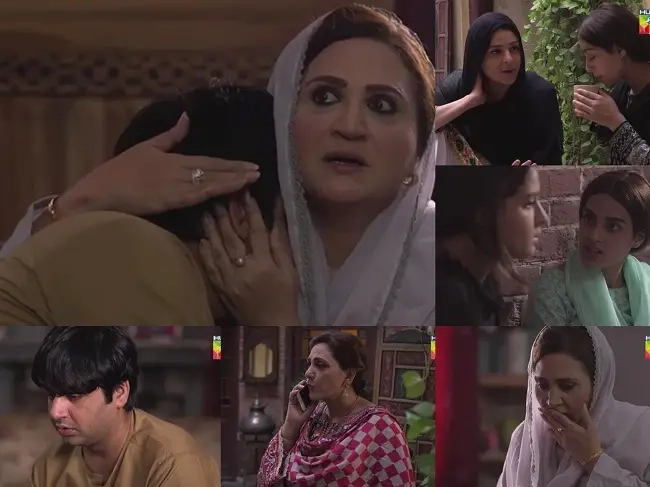
Fehmida (Asma Abbas)
Bhola’s mother, Fehmida, is a complex character who embodies both unconditional love and controlling authority. She adores her son but often makes decisions on his behalf without considering his individuality. Her protectiveness borders on control, creating tension between her and Noori.
Fehmida’s character is crucial to the drama because she reflects a reality in many South Asian households: mothers who, out of love, unintentionally suffocate their children’s independence. In the context of the Ranjha Ranjha Kardi Drama Review, Fehmida stands as a reminder that love, if not balanced with respect for individuality, can become another form of dominance.
Supporting Characters
The drama also introduced a range of supporting characters who, though not central, added richness to the narrative. From Bhola’s extended family members who schemed against him to Noori’s parents, who highlighted the struggles of poverty, each side character was written with purpose. They were not fillers but reflections of the societal structures that shaped Noori and Bhola’s lives.
Chemistry and Dynamics
What set the characters of Ranjha Ranjha Kardi apart was not just their individual arcs but also their relationships with one another. Noori and Bhola’s evolving bond formed the emotional anchor of the drama. Their dynamic—Noori’s initial reluctance turning into respect and love, and Bhola’s childlike innocence transforming into trust—was depicted with such subtlety that it touched even the hardest of hearts.
On the other hand, the tension between Noori and Sahir, the protective yet controlling bond between Bhola and his mother, and the manipulations by opportunistic relatives created a layered web of emotions. This interplay of relationships is one reason why every Ranjha Ranjha Kardi Drama Review highlights the drama as a masterclass in character development.
Conclusion of Character Analysis
In summary, the characters of Ranjha Ranjha Kardi were more than just roles—they were mirrors reflecting different facets of human nature. Noori symbolized resilience and transformation, Bhola embodied innocence and unconditional love, Sahir personified betrayal and selfishness, while Fehmida illustrated the complexity of maternal love. Together, they created a drama that was both emotionally gripping and socially relevant.
A thorough Ranjha Ranjha Kardi Drama Review must stress that it was the characters—crafted with depth and performed with brilliance—that elevated the drama from being just another serial to becoming a timeless masterpiece.
Cast Name and Role
When evaluating a drama as powerful as Ranjha Ranjha Kardi, one cannot overlook the significance of its cast. Casting is often the backbone of any successful serial, and in this case, the actors brought such authenticity to their roles that audiences felt as if they were watching real people rather than fictional characters. In fact, every Ranjha Ranjha Kardi Drama Review highlights the cast’s performances as one of the strongest reasons for its success. Let’s break down the major and supporting roles and analyze how they contributed to the story.
Imran Ashraf as Bhola
Imran Ashraf’s portrayal of Bhola is widely regarded as one of the finest performances in Pakistani television history. Playing a mentally challenged man required sensitivity, restraint, and emotional depth, and Imran delivered all three with brilliance. Bhola’s innocence, his childlike mannerisms, and his unconditional love for Noori were captured so perfectly that audiences across the world fell in love with the character.
For Imran, Bhola was a career-defining role. While he had played diverse characters before, it was Ranjha Ranjha Kardi that cemented his place as one of the most talented actors of his generation. Every Ranjha Ranjha Kardi Drama Review emphasizes that his performance was not just acting—it was an experience that made viewers cry, laugh, and empathize.
Iqra Aziz as Noori
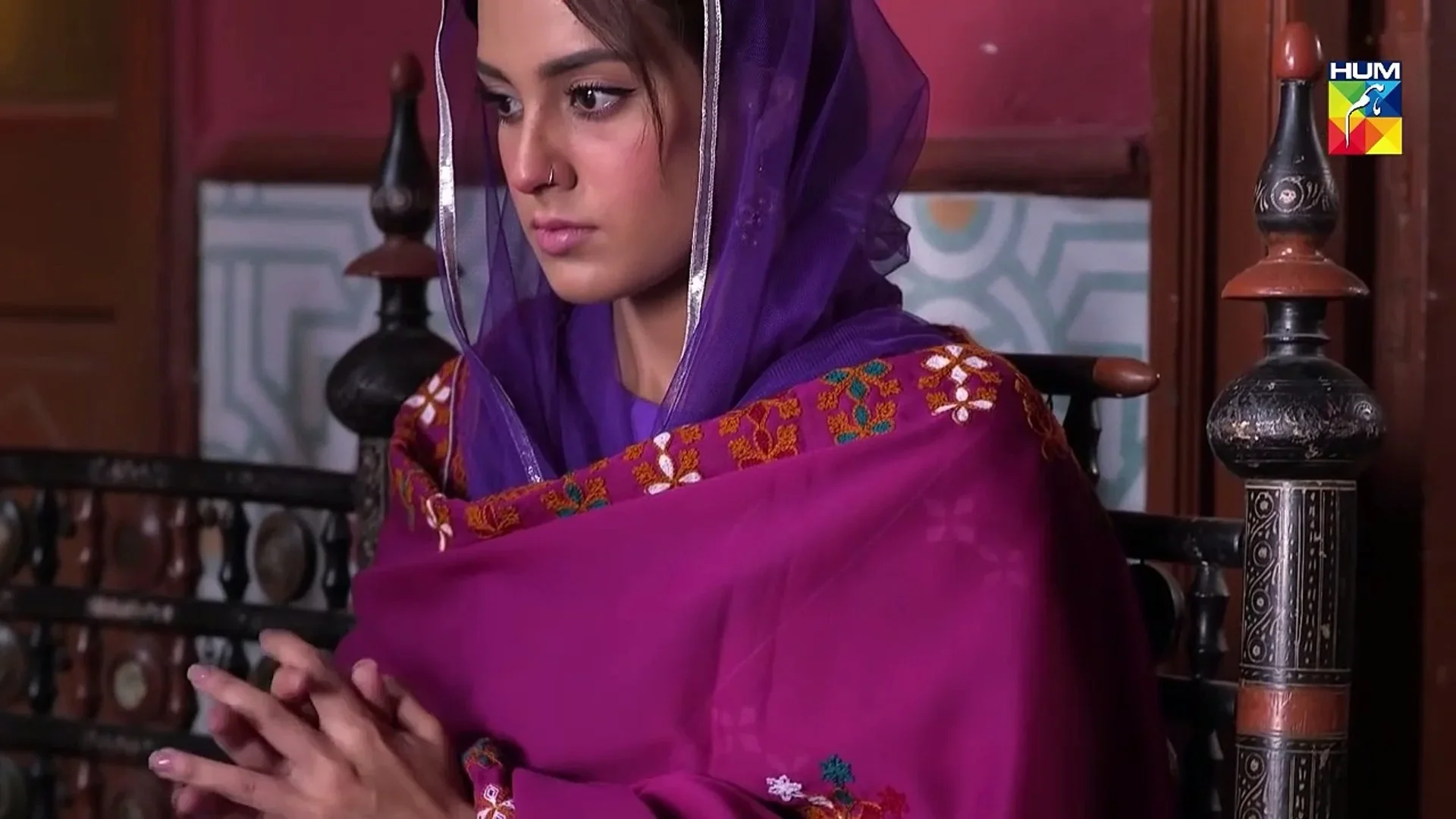
Iqra Aziz was already a rising star when she was cast as Noori, but this role showcased her versatility in a new light. Noori’s character required someone who could portray strength, ambition, and vulnerability all at once, and Iqra brought all these layers to life.
Her chemistry with Imran Ashraf was extraordinary, and her gradual transformation from a desperate girl to a woman who learns to value Bhola’s love made her performance unforgettable. In any detailed Ranjha Ranjha Kardi Drama Review, Iqra Aziz is praised for carrying the emotional weight of the drama with grace and authenticity.
Syed Jibran as Sahir
Syed Jibran’s role as Sahir was crucial in shaping the narrative. At first, Sahir appears as a savior for Noori, offering her a way out of her difficult life. However, his betrayal reveals him as selfish and manipulative. Syed Jibran portrayed Sahir with such conviction that audiences genuinely despised his character, which speaks volumes about his acting skills.
In reviews, Sahir is often described as the character viewers “loved to hate.” He added necessary conflict to the story, reminding audiences of how vulnerable people can be exploited by those they trust. A well-rounded Ranjha Ranjha Kardi Drama Review cannot overlook Jibran’s contribution in making the plot emotionally gripping.
Asma Abbas as Fehmida
Asma Abbas, a seasoned actress, brought immense emotional power to the role of Fehmida, Bhola’s mother. Her character symbolized unconditional maternal love, but also the struggles of overprotection and control. Asma’s performance balanced warmth and authority, making Fehmida one of the most layered characters in the drama.
In many reviews, Fehmida is highlighted as a reminder of real South Asian mothers who love deeply but sometimes impose their own will on their children. Asma Abbas made this role unforgettable with her natural performance.
Supporting Cast
-
Kashif Mehmood as Nusrat Chacha: Played the manipulative uncle who constantly schemed against Bhola and his family. Kashif Mehmood’s portrayal of greed and cunningness added tension to the story.
-
Ammara Butt as Komal: As Bhola’s cousin, Komal’s role illustrated the conflicts of class, family politics, and marriage within the household.
-
Noori’s Parents: Though not given as much screen time, their roles were critical in establishing Noori’s background. They highlighted the stigma of poverty and waste-picking, adding depth to her struggles.
These supporting roles may not have had the same spotlight as the leads, but they played an essential role in shaping the emotional landscape of the drama. A thoughtful Ranjha Ranjha Kardi Drama Review always acknowledges that even the side characters were impactful and purposeful.
Chemistry Among the Cast
One of the reasons Ranjha Ranjha Kardi stood out was the undeniable chemistry between its cast members. The bond between Iqra Aziz and Imran Ashraf was the emotional heartbeat of the drama, while the tension between Iqra Aziz and Syed Jibran gave the story its conflict. Similarly, the interactions between Asma Abbas and Imran Ashraf (mother and son) felt so real that viewers could instantly relate.
This chemistry was not accidental but the result of skillful casting, thoughtful direction, and actors who respected the depth of their roles.
Impact of the Performances
Each actor left a lasting impression through their work. Imran Ashraf became synonymous with Bhola, a role that earned him awards and critical acclaim. Iqra Aziz gained recognition as one of the most powerful actresses of her generation. Syed Jibran reaffirmed his ability to play complex negative roles. Asma Abbas reminded audiences of her unparalleled versatility.
Collectively, the cast elevated Ranjha Ranjha Kardi from being just another drama to becoming a masterpiece. Any Ranjha Ranjha Kardi Drama Review must underline that without this particular set of actors, the story would not have been as impactful.
Conclusion of Cast Analysis
In summary, the cast of Ranjha Ranjha Kardi was perfectly chosen, and their performances made the drama unforgettable. From Imran Ashraf’s iconic Bhola to Iqra Aziz’s powerful Noori, from Syed Jibran’s manipulative Sahir to Asma Abbas’s emotional Fehmida, every actor contributed to the brilliance of the drama. Supporting roles, too, added richness and authenticity, proving that in Pakistani television, performance is as important as storyline.
Without this cast, the drama might not have achieved the legendary status it holds today. Every Ranjha Ranjha Kardi Drama Review must acknowledge that the cast was the beating heart of this timeless serial.
Themes and Messages
A truly meaningful Ranjha Ranjha Kardi Drama Review cannot be complete without discussing the core themes and messages of the drama. Unlike many mainstream Pakistani serials that revolve around clichéd love stories or domestic feuds, Ranjha Ranjha Kardi stood out because it carried profound social, emotional, and cultural commentary. Its narrative was designed not only to entertain but also to provoke thought, stir empathy, and encourage reflection.
At its heart, Ranjha Ranjha Kardi is not simply the tale of Noori and Bhola—it is a story about dignity, love, loyalty, and survival in a society plagued by class divisions, prejudice, and exploitation. Below are some of the central themes and messages that make this drama unforgettable and essential in any Ranjha Ranjha Kardi Drama Review.
1. The Struggle for Dignity
One of the most significant themes in the drama is the human struggle for dignity. Noori, born into a family of waste pickers, is ashamed of her background and dreams of building a life where she can hold her head high. Her desperation to escape poverty reflects the harsh realities of countless individuals in South Asian societies who long for respect and acceptance.
Through her journey, the drama conveys the message that true dignity does not come from wealth, status, or education—it comes from self-respect, loyalty, and moral integrity. This theme resonates strongly in every Ranjha Ranjha Kardi Drama Review because it challenges the audience to rethink what respect in society truly means.
2. Innocence Versus Corruption
Bhola’s character represents innocence in its purest form. His childlike honesty and unconditional love stand in stark contrast to the manipulative and greedy characters around him. While society often dismisses people like Bhola as weak or incapable, the drama turns this assumption on its head by showing that his innocence is his greatest strength.
This theme highlights the corruption and hypocrisy of so-called “normal” individuals compared to the purity of someone society deems inferior. A detailed Ranjha Ranjha Kardi Drama Review must emphasize this message because it forces viewers to question who the real “flawed” people are—the innocent Bhola or the selfish individuals exploiting him.
3. The Complexities of Love
Love is portrayed in multiple shades throughout the drama. Noori’s infatuation with Sahir shows a naïve, idealistic version of love that is rooted in ambition and desire for escape. In contrast, Bhola’s love for Noori is unconditional, innocent, and pure. Over time, Noori realizes that true love lies not in charm or promises but in loyalty, sincerity, and acceptance.
This evolution of love is one of the most beautiful themes of the drama, and every Ranjha Ranjha Kardi Drama Review highlights how it redefined the concept of romance in Pakistani television. It proved that love does not have to be glamorous to be powerful—it can be raw, flawed, and deeply real.
4. Betrayal and Exploitation
Sahir’s betrayal of Noori is a pivotal theme that demonstrates how vulnerable individuals are often exploited by those they trust. His manipulation is not just a personal betrayal but also symbolic of the broader societal exploitation of marginalized women.
The drama also portrays exploitation through Bhola’s relatives, who attempt to manipulate his mental condition for their own gain. This theme is particularly relevant in Pakistani society, where greed often drives people to betray even their closest relations. A good Ranjha Ranjha Kardi Drama Review must underline how betrayal was used to highlight the darker aspects of human nature.
5. Class and Social Inequality
Another core theme is the divide between the rich and the poor. Noori’s poverty-stricken background clashes with Bhola’s wealthy household, highlighting the prejudices and barriers that exist between social classes. The drama shows how people from marginalized backgrounds are often denied respect, no matter how hard they work to earn it.
By weaving this theme into its narrative, Ranjha Ranjha Kardi sparked conversations about classism and social mobility in Pakistan. For this reason, many reviewers describe it as a socially conscious masterpiece, not just a love story.
6. The Role of Women in Society
The drama also sends powerful messages about the role of women. Noori represents ambition, resilience, and transformation. Her character challenges stereotypes of women as passive or submissive. Meanwhile, Fehmida, Bhola’s mother, portrays the complexities of motherhood—loving, protective, but also controlling. Together, these characters highlight the struggles and responsibilities women carry in Pakistani households.
This theme is essential to note in a Ranjha Ranjha Kardi Drama Review because it reflects how the drama portrayed women as multidimensional individuals rather than one-dimensional stereotypes.
7. The Value of Empathy
Perhaps the most important message of all is the need for empathy. Through Bhola’s character, the drama teaches viewers to see beyond someone’s disabilities and appreciate their humanity. By the end, audiences learn to value Bhola not because of what he lacks but because of what he offers—pure, unconditional love.
This message resonated deeply with audiences and is often praised in every Ranjha Ranjha Kardi Drama Review for changing perspectives about marginalized individuals.
Conclusion of Themes and Messages
In summary, the themes and messages of Ranjha Ranjha Kardi elevate it from being just a television serial to becoming a social commentary. It speaks about dignity, innocence, betrayal, class inequality, and the true meaning of love. Most importantly, it encourages empathy for those society often sidelines.
Every thorough Ranjha Ranjha Kardi Drama Review must stress that these themes are the backbone of the story. They are what made the drama resonate so deeply with viewers, turning it into a timeless masterpiece that continues to inspire reflection and conversation.
Loyalty
When writing a comprehensive Ranjha Ranjha Kardi Drama Review, one theme that stands out above all others is loyalty. Loyalty in this drama is not just a passing concept—it is the emotional backbone of the story. The contrast between loyalty and betrayal drives the narrative forward and shapes the destinies of Noori, Bhola, and the people around them. By examining how loyalty is portrayed, we can understand why this drama touched so many hearts and became a timeless masterpiece in Pakistani television history.
Bhola’s Loyalty: Pure and Unconditional
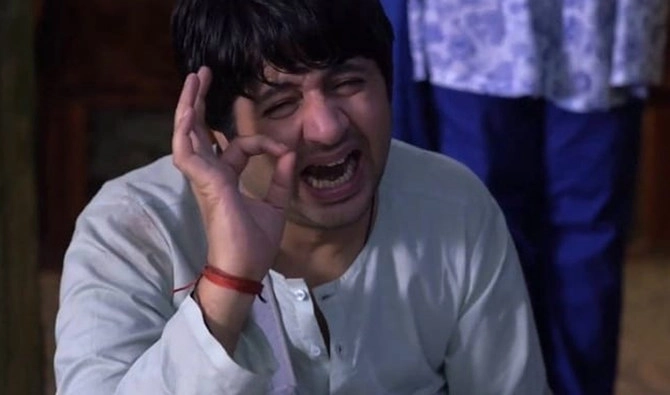
The most powerful display of loyalty in Ranjha Ranjha Kardi comes from Bhola, whose entire existence revolves around love and devotion. Despite his mental challenges, Bhola’s heart is filled with sincerity. Once he begins to love Noori, he never wavers, never doubts, and never questions his commitment to her.
In many scenes, Bhola’s innocent words capture this unwavering loyalty. His famous dialogues, where he repeatedly expresses his need for Noori, are not just emotional—they symbolize the purity of love untainted by greed or selfishness. A good Ranjha Ranjha Kardi Drama Review must emphasize that Bhola redefined loyalty on screen, teaching audiences that true devotion is not about grand gestures but about consistency and sincerity.
Noori’s Evolving Loyalty
Noori’s relationship with loyalty is more complex. In the beginning, she is not loyal to her roots or to Bhola. Her desperation to escape her background pushes her toward Sahir, whom she believes will provide her with a better life. However, Sahir’s betrayal teaches her one of the hardest lessons of her life: loyalty is worth more than wealth, charm, or ambition.
As the drama progresses, Noori’s loyalty shifts. She begins to recognize Bhola’s love and devotion, and her heart transforms. By the end, she becomes fiercely loyal to him, not out of obligation but out of genuine respect and love. This evolution makes her character one of the most relatable and inspiring in Pakistani drama. Any detailed Ranjha Ranjha Kardi Drama Review must underline how Noori’s arc reflects the journey of learning that loyalty is the foundation of true dignity.
Fehmida’s Maternal Loyalty
Bhola’s mother, Fehmida, represents another dimension of loyalty—that of a mother to her child. Her entire life revolves around Bhola’s wellbeing, and she remains protective of him even when others dismiss him because of his condition. However, her loyalty sometimes becomes overbearing, crossing into control. She makes decisions on Bhola’s behalf, believing she knows best, which creates friction with Noori.
Nevertheless, Fehmida’s loyalty is undeniable. She symbolizes the sacrifices South Asian mothers make for their children. In the context of a Ranjha Ranjha Kardi Drama Review, Fehmida’s loyalty stands as both a strength and a flaw—showing how love and protection can sometimes stifle independence.

The Absence of Loyalty: Sahir and the Relatives
On the opposite side of the spectrum lies Sahir. His character is the very definition of disloyalty. Pretending to love Noori, he betrays her trust and manipulates her emotions for his own gain. His lack of loyalty makes him one of the most despised characters in Pakistani drama history. Viewers felt real anger toward him because his betrayal was not just personal—it represented the cruelty faced by vulnerable women in society.
Similarly, Bhola’s greedy relatives, especially his uncle, displayed no loyalty to family bonds. Instead, they schemed to exploit Bhola’s mental condition for their own financial gain. Their betrayal served as a stark reminder of how greed often erases familial loyalty, a message that resonated deeply with audiences. In any Ranjha Ranjha Kardi Drama Review, this contrast between Bhola’s innocence and his relatives’ selfishness is worth highlighting.
Loyalty as a Test of Character
What makes loyalty such a central theme in Ranjha Ranjha Kardi is that it becomes a test of character for everyone involved. Noori is tested when she chooses between her ambition and her relationship with Bhola. Bhola is tested through the manipulations of others, but his loyalty remains unshaken. Fehmida is tested in balancing her loyalty to Bhola with her ability to let him grow.
Through these tests, the drama conveys a powerful message: loyalty defines who we are more than our social status, wealth, or intelligence. In every Ranjha Ranjha Kardi Drama Review, this theme is emphasized because it connects with audiences on a deeply personal level. Everyone has faced moments in life where loyalty was challenged, and the drama mirrored these experiences with raw honesty.
The Emotional Power of Loyalty
One of the reasons the drama touched audiences so deeply is that it portrayed loyalty in its rawest form. Bhola’s constant devotion and Noori’s eventual acceptance moved viewers to tears. Their relationship reminded people of the beauty of standing by someone in their weakest moments.
This emotional power was not just confined to the storyline—it extended into the lives of the viewers. Many fans shared how the drama inspired them to reflect on their own relationships, questioning whether they had been truly loyal to the people who mattered most. That emotional impact is what makes loyalty such an unforgettable theme in any Ranjha Ranjha Kardi Drama Review.
Conclusion of Loyalty
In conclusion, loyalty is the cornerstone of Ranjha Ranjha Kardi. From Bhola’s unconditional devotion to Noori’s evolving love, from Fehmida’s maternal sacrifice to Sahir’s betrayal, the drama explores loyalty in all its forms—pure, flawed, protective, and absent. It shows that loyalty is not about perfection but about choosing to stand by someone even when circumstances are difficult.
Every comprehensive Ranjha Ranjha Kardi Drama Review must highlight this theme because it is what made the drama resonate so profoundly with audiences. Loyalty in the drama was not portrayed as an abstract concept—it was lived, tested, broken, and ultimately redefined. That is why it remains one of the most powerful and relatable messages of this timeless serial.
Betrayal
No drama can fully capture the complexities of human relationships without exploring betrayal, and Ranjha Ranjha Kardi does so with brilliance. Betrayal in this drama is not a single act; rather, it is a series of emotional, social, and personal failures that shape the destinies of its characters. When writing a detailed Ranjha Ranjha Kardi Drama Review, it is impossible to overlook how betrayal weaves through the storylines of Noori, Bhola, Sahir, and the secondary characters, leaving lasting scars on their lives.
Sahir’s Betrayal: The Root of Noori’s Pain
The most devastating betrayal in Ranjha Ranjha Kardi comes from Sahir, who pretends to love Noori but abandons her when she needs him most. In the beginning, Sahir represents the hope of escape for Noori—a chance to break free from her lower-class background and achieve respectability. She invests her trust, emotions, and dreams into him, believing that he will give her the life she longs for.
But Sahir’s betrayal shatters those dreams. When he chooses his own survival over his promises to Noori, she is left humiliated and heartbroken. His disloyalty highlights how selfishness often lies beneath the surface of charming personalities. A good Ranjha Ranjha Kardi Drama Review must emphasize that Sahir’s betrayal was more than personal—it symbolized the harsh realities faced by women in patriarchal societies where trust is too often broken by opportunism.
Noori’s Betrayal of Bhola’s Trust
While Sahir’s betrayal is blatant, Noori herself is not entirely innocent. At the beginning of her marriage to Bhola, she is far from loyal. She hides her true feelings, treats him with indifference, and even entertains the idea of returning to Sahir. For Bhola, who loves her with complete sincerity, this is a betrayal of the purest trust.
However, what makes Noori’s character so compelling is her transformation. Over time, she realizes that Bhola’s innocent loyalty is far greater than Sahir’s false promises. Her gradual shift from betrayal to loyalty is what makes her journey so deeply human. This complexity ensures that Ranjha Ranjha Kardi does not paint betrayal in black and white—it shows it as part of growth and self-discovery.
Bhola’s Relatives: Betrayal in the Name of Greed
Another central aspect of betrayal in the drama comes from Bhola’s uncle and family members, who exploit his mental condition for personal gain. Instead of protecting him, they plot to seize his wealth and inheritance. This betrayal of family ties is one of the most bitter truths the drama portrays.
In South Asian societies, family loyalty is considered sacred, but the drama boldly shows how greed can corrode even these bonds. In any Ranjha Ranjha Kardi Drama Review, this portrayal of betrayal within the family should be highlighted because it struck a chord with audiences who have witnessed or experienced similar realities in their own lives.
Fehmida’s Silent Betrayal
While Fehmida, Bhola’s mother, is generally seen as a symbol of love and loyalty, her overprotectiveness sometimes crosses into betrayal of Bhola’s individuality. By making decisions on his behalf without considering his feelings, she unintentionally betrays his right to independence. This is not a betrayal born of malice but of excessive care.
Such nuanced portrayals made the drama unique. Unlike typical storylines where betrayal is clear-cut, Ranjha Ranjha Kardi showed that even love can betray when it becomes controlling. This subtle layer is one of the reasons why the drama has been praised in countless Ranjha Ranjha Kardi Drama Reviews.
The Audience’s Emotional Reaction to Betrayal
The drama’s treatment of betrayal evoked strong emotions from viewers. Many despised Sahir so much that they declared him one of the most hated characters in Pakistani television. His betrayal made people reflect on how often charm and sweet words disguise selfish motives. On the other hand, Noori’s initial betrayal of Bhola’s innocence sparked debates—was she a victim of her circumstances, or did she knowingly betray someone who loved her unconditionally?
This emotional engagement is part of what makes the drama timeless. A Ranjha Ranjha Kardi Drama Review should note that betrayal in the drama was not just a plot device—it was an emotional trigger that forced audiences to question their own values and relationships.
Betrayal as a Turning Point
One of the most important functions of betrayal in Ranjha Ranjha Kardi is that it acts as a turning point for the characters. Sahir’s betrayal forces Noori to reassess her life choices and accept Bhola’s love. Noori’s betrayal of Bhola, in turn, sets the stage for her growth into a loyal and loving wife. The betrayal of Bhola’s relatives exposes the ugly side of greed and makes the audience root more strongly for Bhola’s happiness.
In this way, betrayal is not just destructive but transformative. It breaks illusions, reveals truths, and ultimately leads to redemption for some characters and downfall for others. This layered approach is why the drama is considered one of the finest works of Pakistani television.
Conclusion of Betrayal
In conclusion, betrayal in Ranjha Ranjha Kardi is not a one-dimensional concept but a recurring theme that affects every major character. From Sahir’s selfishness to Noori’s initial doubts, from greedy relatives to overprotective mothers, betrayal appears in various forms—romantic, familial, and even unintentional.
Every thoughtful Ranjha Ranjha Kardi Drama Review must highlight how betrayal shaped the narrative and fueled the characters’ transformations. The drama reminded viewers that betrayal is often painful, but it can also be a catalyst for self-realization and change. By showing betrayal in all its shades, Ranjha Ranjha Kardi gave audiences not just a story but a mirror to reflect on their own lives and relationships.
Justice
One of the most thought-provoking aspects of Ranjha Ranjha Kardi is its deep exploration of justice. Unlike traditional dramas that rely on legal battles or courtroom verdicts to highlight the theme, this drama portrays justice in a far more personal and emotional sense. Justice here is about fairness, morality, and the restoration of dignity to characters who have long been denied their rights. Any Ranjha Ranjha Kardi Drama Review that overlooks this theme would be incomplete, because it is through justice that the characters find closure, redemption, and peace.
Noori’s Struggle for Justice
At the heart of the story lies Noori, a woman born into poverty and shame due to her parents’ circumstances. Her fight is not just for survival but for dignity. Society often looks down on people from her background, and her dream is to rise above those prejudices. For Noori, justice means being respected as a human being rather than being judged by her lineage.
Through her marriage to Bhola, she finds a path toward this justice. Initially, it seems like a punishment, but over time, Noori gains recognition, stability, and love in ways she never expected. A balanced Ranjha Ranjha Kardi Drama Review should emphasize how Noori’s journey is less about revenge and more about reclaiming her lost honor.
Bhola and the Justice of Acceptance
Bhola, the most loved character of the drama, represents innocence and purity. Yet, he is constantly deprived of justice by a society that mocks his mental condition. His family members, driven by greed, attempt to exploit him instead of protecting him. For Bhola, justice comes in the form of acceptance—when Noori chooses to truly love him, not out of obligation but out of genuine respect.
This idea of justice is powerful because it shifts the focus from external systems to internal relationships. In a society where people with disabilities are often marginalized, Ranjha Ranjha Kardi highlights that true justice is giving them love, dignity, and equality. Any Ranjha Ranjha Kardi Drama Review should underline this moral, because it was one of the most impactful lessons of the series.
Sahir and the Justice of Consequences
Every great story demands that betrayal and wrongdoing face consequences. In the case of Sahir, justice arrives not through a courtroom but through the natural course of events. His betrayal of Noori and his selfish choices eventually leave him with nothing. He loses the woman he claimed to love, he loses respect, and he is exposed for what he truly is.
This is poetic justice—viewers did not need to see Sahir punished legally, because his downfall was already enough. In fact, many fans of the drama believed that Sahir’s loneliness was the most fitting punishment. A detailed Ranjha Ranjha Kardi Drama Review must point out how the writers skillfully crafted his arc to ensure the audience felt that justice had been served.
Greedy Relatives and the Justice of Exposure
Bhola’s relatives, who seek to control his inheritance, embody the darker side of family betrayal. Their greed makes them blind to morality, but the drama ensures that their plans are exposed. Justice in this context means protecting Bhola’s rights and safeguarding his wealth from exploitation.
The exposure of their schemes was not just a turning point in the story but also a lesson for viewers. It showed that justice might be delayed, but truth eventually prevails. For families dealing with similar issues in real life, this aspect of the story felt relatable and cathartic. Including this layer in any Ranjha Ranjha Kardi Drama Review is essential because it speaks to a collective social experience.
Fehmida’s Maternal Justice
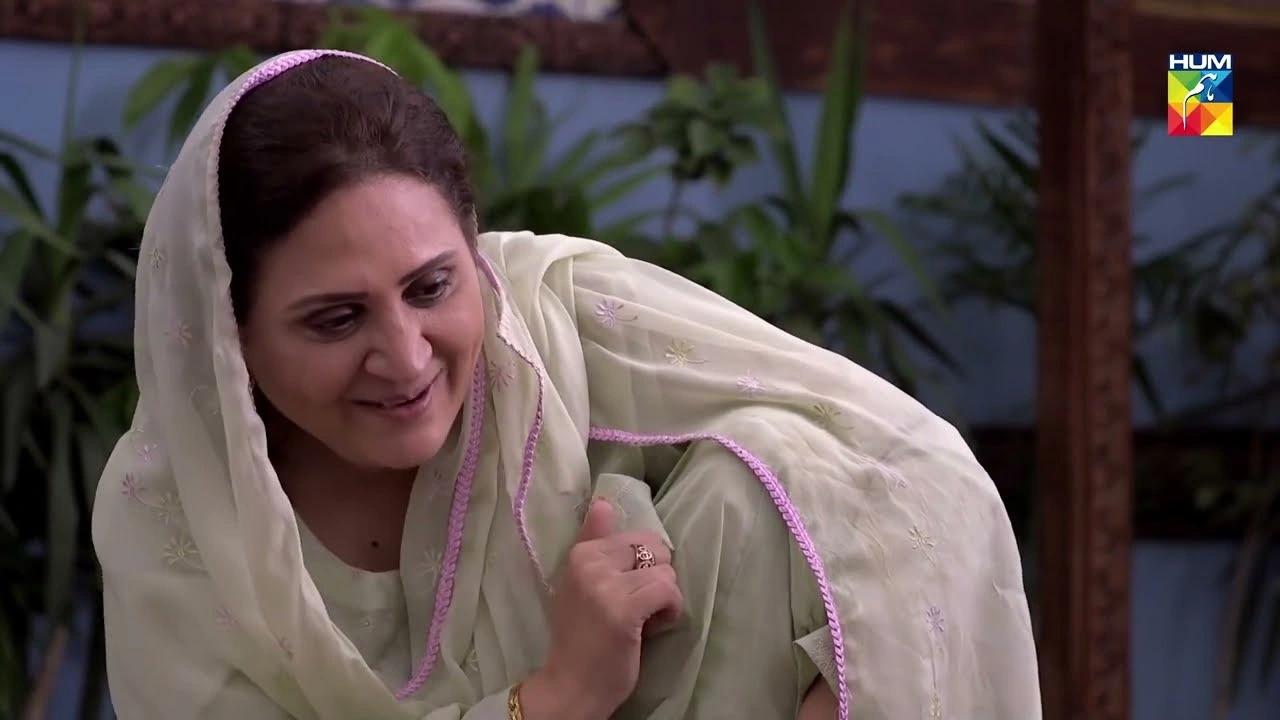
Fehmida, Bhola’s mother, is a complicated character. On one hand, she fiercely protects her son, ensuring that no one takes advantage of him. On the other hand, her overprotectiveness sometimes denies him independence. However, as the story progresses, she learns to let Noori play a role in Bhola’s life, balancing love with responsibility.
For Fehmida, justice means ensuring that her son lives with dignity while still being shielded from those who wish to harm him. A Ranjha Ranjha Kardi Drama Review should highlight how her maternal instincts embody a form of justice rooted in love rather than law.
Justice Beyond the Courtroom
One of the most remarkable achievements of the drama is that it redefines justice outside of the legal system. There are no dramatic courtroom scenes or lengthy legal battles. Instead, justice comes through love, acceptance, exposure of lies, and the downfall of selfishness.
This makes the drama stand apart from conventional storytelling. It proves that justice is not always about laws—it is about human values, moral responsibility, and the choices people make when faced with difficult situations.
Audience’s Perception of Justice
The audience reaction to the theme of justice was profound. Viewers felt relieved when Noori found peace with Bhola, satisfied when Sahir faced his downfall, and reassured when Bhola’s wealth was protected from greedy hands. For many, Ranjha Ranjha Kardi became more than just a story—it became a reflection of how justice should look in everyday life.
When crafting a Ranjha Ranjha Kardi Drama Review, it is vital to capture this audience sentiment, because the drama’s power lies not just in what happened on screen but in how it resonated with real people.
Conclusion of Justice
In conclusion, Ranjha Ranjha Kardi delivers a unique and layered portrayal of justice. From Noori’s fight for dignity to Bhola’s right to acceptance, from Sahir’s downfall to the exposure of greedy relatives, justice comes in different forms for different characters. The drama’s brilliance lies in showing that justice is not always about punishment—it is about balance, truth, and fairness.
Every well-written Ranjha Ranjha Kardi Drama Review must underline that the drama’s handling of justice was one of its strongest achievements. By redefining justice as an emotional and moral principle, the drama left audiences with lessons they carried beyond the screen, making it one of the most unforgettable pieces of Pakistani television.
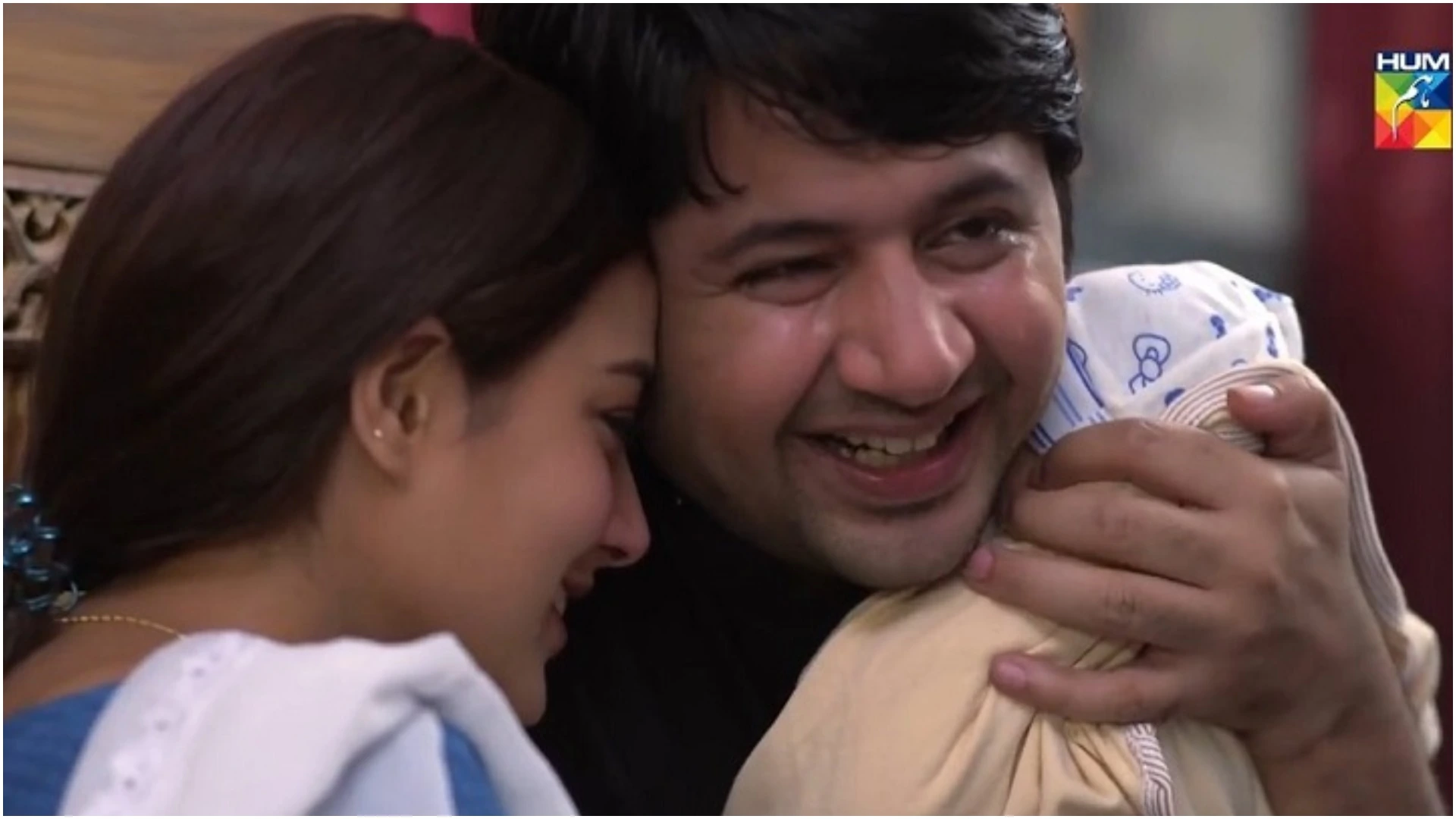
Greed and Its Consequences
Greed has always been one of the most destructive human traits, and in Ranjha Ranjha Kardi, it is portrayed with heartbreaking realism. From wealth-hungry relatives to selfish lovers, the drama shows how greed corrupts relationships, weakens moral values, and eventually destroys those who fall victim to it. Any thoughtful Ranjha Ranjha Kardi Drama Review must highlight this theme because it is not just a subplot—it is the backbone of the conflict that drives the story forward.
Bhola’s Wealth as the Root of Greed
At the center of the story is Bhola, whose innocent nature and considerable inheritance make him a target. His relatives, who should ideally protect and support him, are instead consumed by greed. They see him not as a human being deserving of love and care but as a means to secure money and power.
This greed not only puts Bhola in danger but also creates tension within the family. Instead of harmony, there is manipulation and plotting. For viewers, this became one of the most frustrating yet relatable elements of the show—because in many families, wealth often breeds similar divisions. In every Ranjha Ranjha Kardi Drama Review, this greedy exploitation deserves focus because it reflects a painful truth of our society.
Sahir: The Greedy Lover
Sahir is another striking example of how greed can destroy a person’s character. When he first enters Noori’s life, he appears charming, kind, and promising. But behind his façade lies a selfish man who prioritizes his own gain above love and loyalty. His betrayal of Noori is not simply an act of disloyalty—it is fueled by greed.
He uses Noori when it suits him and discards her when she no longer serves his purpose. Eventually, his greed robs him of everything. He loses Noori, he loses respect, and even his dreams of wealth turn to dust. In a way, Sahir’s downfall is a powerful lesson in poetic justice, and any Ranjha Ranjha Kardi Drama Review should note how his greed becomes his undoing.
The Relatives’ Betrayal
Bhola’s extended family adds another layer to the theme of greed. Instead of appreciating what they already have, they constantly plot to take away what belongs to Bhola. Their greed blinds them to humanity, compassion, and fairness.
The drama carefully portrays how greed eats away at family ties. Where there should be protection and loyalty, there is deception and betrayal. The consequences are devastating—familial trust is broken, and relationships are left permanently scarred. This makes the drama painfully relatable, as many viewers could see echoes of their own family disputes reflected on screen. A thorough Ranjha Ranjha Kardi Drama Review should emphasize this, as it is one of the reasons the drama resonated with such a wide audience.
Noori’s Battle Against Greed
Interestingly, while Noori is not driven by greed, she is constantly affected by the greed of others. She is used by Sahir, judged by society, and later married into a family where greedy relatives want to control Bhola. Her journey is essentially a battle against those who want to exploit her or the man she eventually loves.
Her determination to protect Bhola from greedy relatives becomes one of her strongest traits. Through this fight, the drama sends a strong message: those who are innocent and pure must be shielded from those blinded by selfishness. Any Ranjha Ranjha Kardi Drama Review that analyzes Noori’s arc must point out her bravery in standing up against the destructive forces of greed.
The Consequences of Greed
The consequences of greed in the drama are severe and often irreversible:
-
For Bhola’s relatives, their plans are exposed, and they lose respect and influence.
-
For Sahir, his greed leaves him lonely, unloved, and broken.
-
For the family unit, greed destroys unity and creates divisions that can never be repaired.
The drama makes it clear that greed never truly benefits anyone. It may bring temporary gains, but in the end, it destroys relationships, reputations, and peace of mind. This message is central to the drama’s success, and an in-depth Ranjha Ranjha Kardi Drama Review must underline how effectively the writers portrayed this destructive cycle.
A Reflection of Society
What makes the theme of greed in Ranjha Ranjha Kardi so powerful is that it reflects real-life struggles. Many families in South Asian society face disputes over money, property, and inheritance. Greed often turns blood relatives into enemies. By showing this reality on screen, the drama became more than entertainment—it became a mirror of society.
Audiences connected deeply with this portrayal because they had either experienced it firsthand or seen it happen to others. For this reason, any Ranjha Ranjha Kardi Drama Review that fails to discuss greed would miss one of the key elements that made the drama so impactful.
Moral Lessons About Greed
In the end, Ranjha Ranjha Kardi offers an important moral: greed never leads to happiness. Those who chased money and power ended up broken, while those who valued love and sincerity—like Noori and Bhola—found peace.
This moral elevates the drama beyond ordinary storytelling. It doesn’t just entertain; it educates. It shows viewers that greed poisons relationships, but sincerity and loyalty heal them. A strong Ranjha Ranjha Kardi Drama Review should celebrate this achievement because it proves the drama’s value as both an emotional journey and a social lesson.
Conclusion of Greed and Its Consequences
To conclude, Ranjha Ranjha Kardi presents greed as one of the most destructive forces in human relationships. From Sahir’s selfishness to Bhola’s relatives’ betrayal, the consequences of greed ripple across every storyline. Yet the drama balances this darkness with hope by showing that love, dignity, and honesty can overcome greed’s destructive power.
Any comprehensive Ranjha Ranjha Kardi Drama Review should stress how brilliantly the drama exposes the dangers of greed. It is a timeless reminder that while greed may promise wealth and power, its ultimate consequence is emptiness and loss.
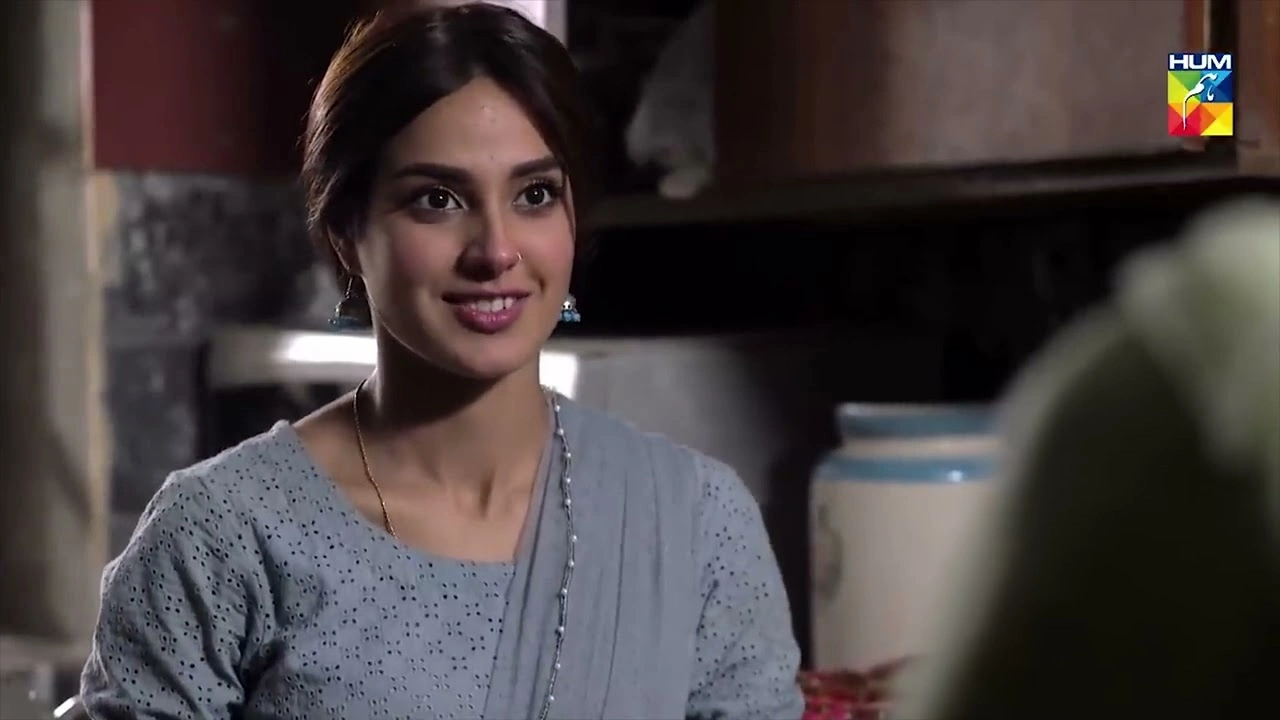
Family Dynamics
Family dynamics lie at the heart of Ranjha Ranjha Kardi. Beyond the love story of Noori and Bhola, the drama reveals how families can either nurture or destroy an individual, depending on the values they uphold. In many ways, this drama is as much about family as it is about romance, betrayal, or greed. Any in-depth Ranjha Ranjha Kardi Drama Review must explore this theme because the story gains its emotional weight from the relationships between family members and their treatment of one another.
Bhola’s Relationship With His Mother
One of the most moving aspects of the drama is Bhola’s bond with his mother. She is his greatest protector, shielding him from the cruelty of others. Despite his mental challenges, she treats him with love, patience, and respect, refusing to see him as a burden.
This mother-son relationship resonates deeply with audiences, reminding us that unconditional love is the foundation of family. Her presence also highlights the contrast between those who care for Bhola sincerely and those who exploit him. In every Ranjha Ranjha Kardi Drama Review, this relationship deserves attention because it represents the purity and warmth that family should ideally provide.
Noori’s Struggles With Family Expectations
Noori’s journey is shaped by her difficult background. Coming from a lower-class family, she faces judgment, rejection, and exploitation. Instead of receiving protection and dignity, she is constantly made to feel inferior because of her social status.
This treatment reflects a harsh reality in many households, where women are judged by their backgrounds rather than their personal worth. When writing a Ranjha Ranjha Kardi Drama Review, it is important to note how Noori’s struggles highlight the societal issue of class-based discrimination within families. Her resilience in the face of these challenges makes her one of the most inspiring characters of the drama.
The Extended Family’s Exploitation of Bhola
Bhola’s wealth creates deep fractures within the extended family. Instead of treating him with compassion, his relatives see him as a ticket to power and inheritance. They manipulate situations, spread falsehoods, and actively try to undermine him.
This toxic family dynamic is central to the drama’s tension. It reflects how greed and jealousy can turn family members into adversaries. For many viewers, these scenes were uncomfortably realistic, as inheritance disputes are a common source of division in society. A complete Ranjha Ranjha Kardi Drama Review should point out how the drama holds up a mirror to this painful truth.
Noori and Bhola as a New Family Unit
Perhaps the most powerful transformation in the story comes when Noori marries Bhola. What begins as a marriage of circumstance evolves into a true partnership. Together, they create a new family unit built on loyalty, compassion, and respect.
Despite societal judgment and the interference of greedy relatives, Noori stands by Bhola, protecting him with unwavering strength. This shift in dynamics illustrates the idea that family is not defined by blood alone, but by love and commitment. For viewers, this was one of the most emotional elements of the story, and any thoughtful Ranjha Ranjha Kardi Drama Review must highlight this evolution.
Conflict Between Loyalty and Betrayal in the Family
Family dynamics in Ranjha Ranjha Kardi constantly swing between loyalty and betrayal. On one side, we see Bhola’s mother and later Noori, who embody loyalty and selflessness. On the other, we see relatives who lie, cheat, and exploit.
This contrast deepens the drama’s impact, showing that family can be both a source of healing and harm. It also reinforces the broader theme that relationships based on love and sincerity last, while those corrupted by selfishness eventually collapse.
Impact of Family on Identity
Bhola’s innocence and vulnerability make him completely dependent on his family. The way they treat him directly shapes his sense of self-worth. Where his mother uplifts him, his relatives demean him, and Noori restores his dignity. This cycle shows how family dynamics can either build or break an individual’s identity.
Noori, too, is shaped by her family struggles. Her determination to rise above her circumstances reflects her resilience against the toxic dynamics she faced early in life. In this sense, Ranjha Ranjha Kardi is not just a story about individuals, but a broader commentary on how family molds personalities, choices, and futures.
Lessons From Family Dynamics in the Drama
One of the reasons Ranjha Ranjha Kardi struck such a chord with audiences is its ability to show both the best and worst of family life. The drama teaches several important lessons:
-
True family is about loyalty, not blood ties.
-
Greed destroys family unity, while love strengthens it.
-
Protecting the vulnerable is the true test of family values.
-
Class differences should not define relationships.
These lessons make the drama universally relatable and meaningful. A strong Ranjha Ranjha Kardi Drama Review should emphasize how these themes connect with viewers on a personal level.
Conclusion of Family Dynamics
In conclusion, Ranjha Ranjha Kardi uses family dynamics as both a source of comfort and conflict. From Bhola’s loving mother to his scheming relatives, from Noori’s difficult past to her new family with Bhola, the drama portrays family as a complex, multi-layered institution.
By showing how love, betrayal, greed, and loyalty play out within families, the drama offers both emotional depth and social commentary. Any comprehensive Ranjha Ranjha Kardi Drama Review must give due attention to this theme, as it is one of the pillars that made the drama unforgettable.
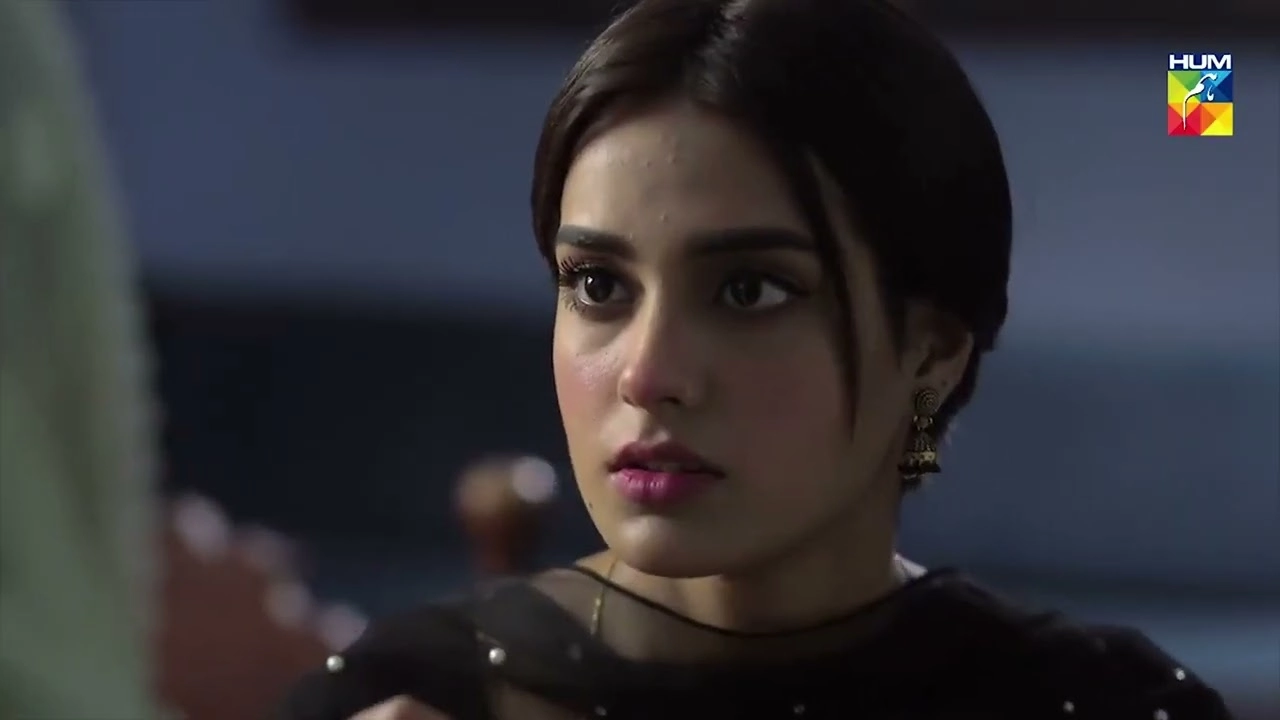
Direction and Cinematography
One of the strongest pillars of Ranjha Ranjha Kardi is its direction and cinematography. The drama, helmed by Kashif Nisar, is a masterclass in visual storytelling, where every shot, scene, and transition is deliberately designed to heighten emotion and emphasize realism. Unlike many dramas that rely on exaggerated camera angles or artificial backdrops, this one keeps everything raw and organic, which adds authenticity to the narrative. For anyone writing a Ranjha Ranjha Kardi Drama Review, analyzing the direction and cinematography is essential because they are the tools that transform the script into an unforgettable experience.
Kashif Nisar’s Directional Vision
Kashif Nisar is known for his ability to handle socially conscious scripts with subtlety and power. In Ranjha Ranjha Kardi, his direction shines through in the way he balances complex themes—such as mental health, class differences, and family betrayal—without letting them feel over-dramatized. Instead of relying on melodrama, he lets silence, expressions, and simple dialogues carry the weight of emotions.
For instance, Bhola’s childlike innocence could easily have been turned into caricature, but under Nisar’s direction, it becomes believable and heartbreaking. Similarly, Noori’s transformation from a desperate girl to a protective wife is directed with layers of sensitivity. A detailed Ranjha Ranjha Kardi Drama Review must note how this careful handling of characters is what makes the story resonate so deeply.
Use of Realistic Settings
The locations chosen for the drama contribute significantly to its visual power. From rural areas with dust-laden streets to urban neighborhoods that feel crowded and suffocating, the sets are never glamorous but always real. This choice grounds the story in reality and makes it relatable to audiences.
The setting of Bhola’s home, with its traditional architecture and vast courtyards, becomes more than just a backdrop—it becomes symbolic of the heritage and wealth that others are constantly trying to control. When writing a Ranjha Ranjha Kardi Drama Review, it is important to mention how these visual choices deepen the drama’s themes.
Lighting and Atmosphere
The lighting in Ranjha Ranjha Kardi plays a crucial role in shaping the audience’s emotional response. Softer, warmer tones are used in scenes of comfort and love, particularly when Bhola is with his mother or Noori. In contrast, darker and more shadow-heavy lighting is used in scenes of betrayal and greed, reflecting the moral corruption of certain characters.
This clever manipulation of light ensures that even without dialogue, viewers feel the weight of what is happening on screen. Many critics and viewers agree that the atmosphere created through lighting sets this drama apart from others. A comprehensive Ranjha Ranjha Kardi Drama Review must point out this artistic attention to detail.
Camera Work and Angles
Cinematography in this drama is not flashy but purposeful. The camera lingers on faces, capturing the raw vulnerability of the characters. Close-up shots of Bhola’s innocent expressions, Noori’s conflicted gaze, and the scheming looks of greedy relatives emphasize emotions more effectively than long dialogues ever could.
Wide shots are used strategically to depict isolation—such as when Noori feels abandoned or when Bhola’s innocence is overshadowed by the cruelty of others. This use of framing makes the story feel intimate yet socially relevant. Any detailed Ranjha Ranjha Kardi Drama Review should highlight how the cinematography itself feels like a narrator, guiding the audience through the emotional highs and lows.
Pacing Through Visuals
Another subtle brilliance of the direction lies in the pacing of scenes. Rather than rushing key emotional moments, Kashif Nisar allows them to breathe. For example, when Bhola expresses his innocent love for Noori, the camera holds longer, giving the audience time to absorb the moment. Similarly, betrayals are not depicted in sudden, jarring cuts but through gradual visual build-up, making the emotional punch stronger.
This careful pacing is part of why Ranjha Ranjha Kardi feels so immersive. A well-rounded Ranjha Ranjha Kardi Drama Review must note how pacing through visuals allows the story to unfold with depth instead of sensationalism.
Symbolism in Visual Storytelling
The drama also uses subtle symbolism in its cinematography. Bhola’s childlike gestures against the backdrop of a wealthy estate symbolize innocence trapped within privilege. Noori walking through crowded streets reflects her struggle for dignity in a society that constantly judges her. Even the recurring imagery of doors and thresholds often symbolizes transitions—Noori stepping into new roles, Bhola moving from innocence to maturity, or relatives crossing moral boundaries.
These elements prove that the direction and cinematography are not just technical aspects but integral to storytelling. In a strong Ranjha Ranjha Kardi Drama Review, this symbolism deserves special mention.
Comparisons With Other Dramas
What makes Ranjha Ranjha Kardi stand out visually is its refusal to conform to glamorized norms often seen in Pakistani dramas. Instead of excessive makeup, luxurious sets, and polished artificiality, it presents characters in their most raw and real forms. This not only enhances relatability but also makes the emotions more powerful.
When compared to other dramas of its time, Ranjha Ranjha Kardi succeeds because of its authenticity in direction and cinematography. Many fans point out that the drama feels more like lived experience than scripted fiction. A detailed Ranjha Ranjha Kardi Drama Review benefits from drawing this contrast, showing how direction can elevate a script from ordinary to iconic.
Conclusion on Direction and Cinematography
In conclusion, the direction and cinematography of Ranjha Ranjha Kardi are central to its success. Kashif Nisar’s sensitive handling of characters, realistic settings, purposeful lighting, and symbolic camera work create a drama that feels both artistically rich and emotionally raw. Instead of overshadowing the story, the visuals amplify it, making every moment memorable.
Any thoughtful Ranjha Ranjha Kardi Drama Review must emphasize that without this caliber of direction and cinematography, the drama would not have left such a lasting impact on audiences. It is this visual mastery that transforms Ranjha Ranjha Kardi from just another drama into an unforgettable work of art.
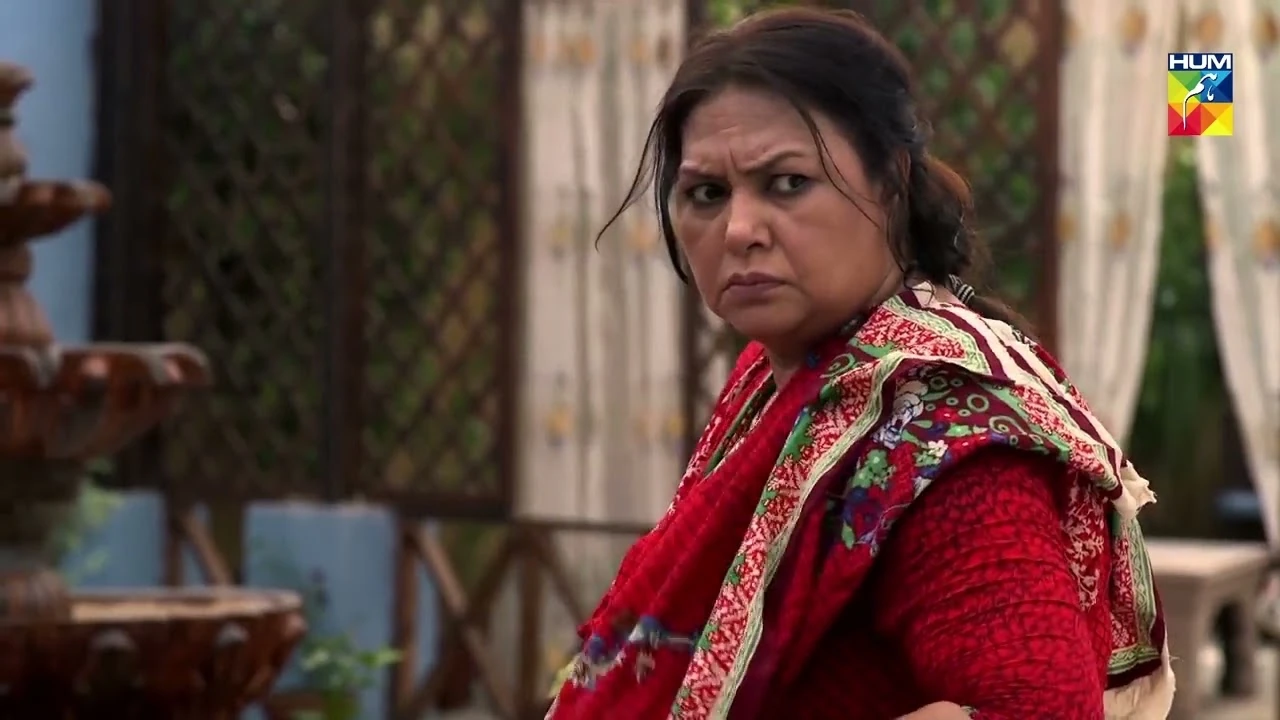
Pacing and Plot Twists
One of the standout features that makes Ranjha Ranjha Kardi so gripping is its masterful pacing and the use of unexpected plot twists. Unlike many dramas that either drag storylines or rush to wrap up conflicts, this drama finds a delicate balance between steady progression and dramatic revelations. For anyone reading a Ranjha Ranjha Kardi Drama Review, understanding how pacing and plot twists work in tandem is essential because they are the backbone of how audiences remain emotionally invested from the first episode to the last.
Gradual Build-Up of the Story
The pacing of Ranjha Ranjha Kardi is neither too slow nor unnecessarily fast. It begins by carefully introducing Noori, her struggles with poverty, and her desire to rise above her background. These early episodes set the stage without overwhelming the viewer with multiple subplots. This gradual build-up makes her decisions later in the drama—such as her marriage to Bhola—feel believable rather than forced.
By the time Bhola is introduced, the story has already established a strong foundation. His childlike innocence is not hurriedly shown; instead, the drama takes time to make viewers understand and sympathize with him. A strong Ranjha Ranjha Kardi Drama Review should point out how this measured pacing allows the characters’ arcs to feel organic.
Well-Timed Twists in the Narrative
Plot twists are central to keeping viewers hooked, and this drama excels at delivering them at the right moments. For instance, the revelation of Bhola’s mental condition was a turning point that completely shifted the trajectory of the story. Instead of portraying him as a weak or pitiful character, the twist redefined him as the emotional anchor of the drama.
Similarly, the twists surrounding the greed of Bhola’s relatives keep the audience in suspense. At several points, the story leads viewers to believe that Noori’s life may finally stabilize, only to throw in another betrayal or conspiracy. A compelling Ranjha Ranjha Kardi Drama Review must underline how these twists are not random shocks but carefully woven into the narrative to deepen the themes of loyalty, betrayal, and justice.
Balancing Emotional Highs and Lows
The pacing of the drama ensures that viewers are never emotionally fatigued. After moments of high intensity—such as confrontations between Noori and Bhola’s family—the story often gives breathing space with softer, more tender scenes. For example, Bhola’s innocent declarations of love or his mother’s protective moments with him act as emotional relief.
This balance prevents the drama from becoming monotonous or overwhelming. In a detailed Ranjha Ranjha Kardi Drama Review, this element is worth emphasizing because it highlights the director’s understanding of audience psychology.
Foreshadowing and Suspense
Another strength in pacing is the clever use of foreshadowing. Subtle hints are dropped throughout the story that prepare viewers for upcoming twists without making them too predictable. For instance, early warnings about the greed of Bhola’s relatives foreshadow later betrayals. Likewise, Noori’s fear of her past catching up builds suspense that pays off when her truth eventually comes out.
This use of foreshadowing ensures that even when a twist arrives, it feels earned rather than abrupt. Any comprehensive Ranjha Ranjha Kardi Drama Review should acknowledge how suspense builds naturally within the pacing of the drama.
Shifts in Noori’s Character Arc
One of the most fascinating aspects of the pacing is how it handles Noori’s journey. At first, her desperation to escape poverty seems like the main conflict, but as the story unfolds, her transformation into a strong, protective wife and mother figure becomes the real arc. Each stage of this evolution is paced in a way that feels realistic.
The plot twists tied to her decisions—such as choosing to stay with Bhola despite his mental challenges—are shocking yet logical. This pacing ensures that audiences remain invested in her growth. In writing a Ranjha Ranjha Kardi Drama Review, highlighting this aspect of pacing shows why the drama’s storytelling feels so impactful.
Escalating Tension Toward the Climax
The final episodes of the drama are a testament to excellent pacing. As the betrayals intensify and Noori finds herself torn between love, loyalty, and survival, the story accelerates without feeling rushed. Each episode builds on the previous one, pushing the audience closer to an emotional climax.
The twists in the end—particularly regarding Bhola’s family dynamics and Noori’s ultimate choices—are shocking but satisfying. The escalation is controlled and deliberate, ensuring that the ending feels earned rather than artificially dramatic. A thorough Ranjha Ranjha Kardi Drama Review must note how this steady build toward climax keeps audiences on edge until the very last episode.
Comparisons With Typical Dramas
In many Pakistani dramas, pacing often becomes a weakness, with unnecessary filler episodes or repetitive conflicts dragging the story. Ranjha Ranjha Kardi, however, avoids these pitfalls. Each episode contributes meaningfully to the overall arc, ensuring that audiences remain engaged.
This distinction is crucial in understanding why the drama has achieved iconic status. Readers of a Ranjha Ranjha Kardi Drama Review should recognize that its controlled pacing is one of the reasons it stands out in the crowded landscape of Pakistani television.
Conclusion on Pacing and Twists
To conclude, the pacing and plot twists of Ranjha Ranjha Kardi are among its greatest strengths. The drama takes time to develop its characters, strategically introduces emotional twists, and maintains suspense without overwhelming the audience. Each revelation feels purposeful, contributing to the larger themes of loyalty, betrayal, and justice.
In any detailed Ranjha Ranjha Kardi Drama Review, it is clear that the drama’s pacing and plot twists are not just storytelling devices but essential ingredients that transform the narrative into an unforgettable journey. They keep viewers invested, emotionally engaged, and ultimately satisfied with the resolution.
Strengths and Weaknesses
Every drama has its highs and lows, and a balanced Ranjha Ranjha Kardi Drama Review must highlight both sides of the equation. This drama has been praised widely for its unique approach to storytelling, but like any production, it is not without its shortcomings. By looking closely at the strengths and weaknesses, we can better understand why Ranjha Ranjha Kardi has left such a lasting impact on audiences and critics alike.
Strengths of Ranjha Ranjha Kardi
1. Powerful Performances
The greatest strength of Ranjha Ranjha Kardi is undoubtedly its acting. Imran Ashraf as Bhola delivered one of the most memorable performances in Pakistani drama history. His ability to portray a mentally challenged character with authenticity, innocence, and depth is nothing short of extraordinary. Audiences fell in love with Bhola not because he was perfect but because he was real, vulnerable, and innocent.
Iqra Aziz as Noori was equally brilliant, embodying the struggles of a woman caught between her past, her dreams, and her responsibilities. Her nuanced performance allowed viewers to empathize with her decisions, even when they were morally complex. Supporting actors such as Asma Abbas and Syed Jibran also added layers of credibility, making the drama a powerhouse of strong acting.
For any Ranjha Ranjha Kardi Drama Review, this acting strength must be emphasized because it played a crucial role in the drama’s success.
2. Unique Storyline
Unlike many formula-based dramas, Ranjha Ranjha Kardi dared to be different. The central theme of a mentally challenged hero was groundbreaking in Pakistani television. Instead of glorifying wealth, glamour, or toxic love stories, the drama shed light on sensitive issues like mental health, class struggles, greed, and loyalty.
This uniqueness ensured that viewers did not just watch passively but engaged emotionally with the characters. In terms of storytelling, this drama redefined what audiences could expect from a prime-time serial.
3. Direction and Cinematography
Kashif Nisar’s direction elevated the entire production. Each shot was carefully framed to enhance the emotional weight of the story. The cinematography balanced intimacy with intensity, especially in close-ups that captured Bhola’s innocence or Noori’s internal conflict.
The direction ensured that the pacing was tight, avoiding unnecessary filler episodes. This sense of control in execution is a hallmark strength and an element that any Ranjha Ranjha Kardi Drama Review should highlight.
4. Strong Themes and Symbolism
The drama explored universal themes like loyalty, betrayal, justice, greed, and family bonds. These were not presented in a preachy manner but woven naturally into the characters’ lives. Bhola, for instance, symbolized purity and innocence, while the greedy relatives represented corruption and selfishness.
The way these themes were presented ensured that the drama was not just entertaining but also thought-provoking. This thematic richness is a major strength that gives Ranjha Ranjha Kardi longevity beyond its original airing.
5. Emotional Impact on the Audience
Few dramas manage to evoke such strong emotions from viewers. From laughter at Bhola’s childlike innocence to tears at Noori’s struggles, the emotional spectrum kept audiences deeply engaged. The connection viewers felt to the characters is a strength that continues to make this drama memorable even years later.
Weaknesses of Ranjha Ranjha Kardi
1. Repetition in Middle Episodes
One noticeable weakness is that some episodes in the middle felt repetitive. The constant plotting of Bhola’s relatives and the ongoing struggle for inheritance stretched slightly longer than necessary. This repetition risked slowing down the otherwise sharp pacing.
In an otherwise near-perfect Ranjha Ranjha Kardi Drama Review, this weakness must be pointed out because it’s a common criticism among viewers.
2. Limited Development of Side Characters
While the central characters were richly developed, some side characters did not receive the same attention. For example, Sahir’s arc could have been explored more deeply to make his motivations clearer. Similarly, a few supporting family members felt underutilized.
For a drama that prided itself on depth, this uneven character development was a minor but notable weakness.
3. Harsh Realities May Be Difficult for Some Viewers
Because the drama tackled heavy themes like mental health, betrayal, and exploitation, some viewers found it emotionally draining. While this realism is a strength in terms of depth, it can also be seen as a weakness for audiences who prefer lighter entertainment.
4. Ambiguity in the Ending for Some Viewers
Although the ending tied up most storylines, some viewers felt that Bhola’s future remained somewhat ambiguous. While others appreciated the open-ended conclusion as realistic, not everyone was satisfied. This divided reception to the ending is another small weakness worth mentioning in a Ranjha Ranjha Kardi Drama Review.
Balanced Perspective
What makes Ranjha Ranjha Kardi exceptional is that its strengths far outweigh its weaknesses. The acting, storytelling, and direction make it a masterpiece, while the minor shortcomings—like repetition and underdeveloped side arcs—do not diminish its overall impact.
Conclusion on Strengths and Weaknesses
In conclusion, the strengths of Ranjha Ranjha Kardi lie in its groundbreaking performances, unique storyline, powerful direction, and emotional resonance. The weaknesses, though present, are minor in comparison and mostly revolve around pacing issues in certain episodes and incomplete arcs for secondary characters.
For any viewer reading a Ranjha Ranjha Kardi Drama Review, it is clear that despite these small flaws, the drama stands tall as one of the finest examples of Pakistani television. Its strengths not only overshadow its weaknesses but also secure its place as a cultural milestone that continues to be discussed and admired.
Audience Reception
When writing a comprehensive Ranjha Ranjha Kardi Drama Review, one of the most important aspects to cover is how the audience received it both during its on-air run and in the years that followed. Pakistani audiences are passionate about television serials, and their reactions often shape the legacy of a drama. In the case of Ranjha Ranjha Kardi, the reception was overwhelmingly positive, with viewers praising its uniqueness, powerful performances, and meaningful storyline. Yet, like any drama, it also faced some criticism, which only adds to the richness of its discussion.
Massive Popularity During On-Air Broadcast
From the very beginning, Ranjha Ranjha Kardi attracted immense attention. Each week, viewers eagerly awaited the new episode, and discussions about Bhola and Noori became a routine on social media. Hashtags related to the drama trended on Twitter, while fan pages on Facebook and Instagram shared emotional clips, dialogues, and behind-the-scenes photos.
The popularity was not just limited to Pakistan. Audiences from India, the Middle East, and even overseas Pakistani communities followed the drama religiously. This cross-border appreciation highlighted how universal the drama’s themes were and how deeply relatable its characters felt to people regardless of geography.
Any Ranjha Ranjha Kardi Drama Review would be incomplete without mentioning that this drama did not just air—it became a cultural wave.
Praise for Imran Ashraf’s Bhola
The single most celebrated element of the drama was Imran Ashraf’s portrayal of Bhola. Audiences could not stop praising his ability to bring innocence, humor, and tragedy to a single character. Social media was flooded with clips of Bhola’s most memorable dialogues—lines that became catchphrases among fans. Viewers often expressed how the character touched their hearts and made them reflect on the importance of kindness and empathy.
In many reviews, fans credited Bhola with breaking stereotypes about people with mental challenges. Instead of being treated as comic relief, Bhola was portrayed with dignity and humanity, making audiences love him all the more.
Iqra Aziz and the Mixed Response to Noori
Iqra Aziz also received widespread praise for her role as Noori, a character caught between survival and morality. While many viewers empathized with her struggles and admired her resilience, some felt divided about her decisions. For instance, her earlier pursuit of Sahir drew criticism from a segment of the audience who believed she should have seen through his manipulative ways.
However, the complexity of Noori’s character also sparked debates. Fans appreciated that she was not portrayed as a flawless heroine but as a layered woman who made mistakes and learned from them. This realism made the audience connect deeply with her journey, and it became one of the most-discussed aspects in forums, Facebook groups, and YouTube reviews.
Criticism of Repetitive Story Arcs
Despite the widespread admiration, audiences did point out some flaws. One common criticism was the repetitive nature of certain plot points, particularly the inheritance disputes and the constant scheming of relatives. Some viewers felt the drama could have been shortened by a few episodes without losing its impact.
While this criticism was valid, most fans admitted that the drama’s strong performances and emotional depth overshadowed the minor pacing issues.
Emotional Connection and Fan Loyalty
One of the strongest indicators of positive reception was the emotional connection viewers developed with the characters. Fans cried when Bhola faced betrayal, cheered when justice prevailed, and celebrated small moments of happiness in the drama. The emotional rollercoaster kept audiences invested until the very last episode.
Even after the drama ended, loyal fans continued to revisit episodes on YouTube, keeping discussions alive. The drama was rewatched multiple times, showing its rewatch value—something that only the most impactful serials manage to achieve.
Critical Acclaim and Awards
The drama was not only a hit among fans but also received critical acclaim. Critics praised the writer Faiza Iftikhar for crafting a bold and meaningful story, and director Kashif Nisar for handling it with such sensitivity. Imran Ashraf won multiple awards for Best Actor, and his performance was hailed as career-defining.
These awards and recognitions further reinforced the positive reception of the drama and solidified its status as one of the greatest Pakistani dramas of its time.
Social Media Buzz and Memes
Another aspect of audience reception was the way Bhola’s character inspired memes, quotes, and lighthearted content online. Lines like “Mujhe kya pata” became iconic, used humorously by fans in daily life. This meme culture ensured that Ranjha Ranjha Kardi reached even people who were not regular drama viewers, expanding its popularity.
International Audience Reaction
Interestingly, Ranjha Ranjha Kardi also received attention from international viewers who accessed it through YouTube and streaming platforms. Many Indian and Middle Eastern drama fans commented on how refreshing it was to see Pakistani television tackle such sensitive themes in a dignified manner. The drama’s global fanbase highlighted the soft power of Pakistani storytelling and how it can transcend borders.
Long-Lasting Legacy Among Viewers
Years after its release, the drama still maintains a strong place in viewers’ hearts. Discussions continue online, and new drama enthusiasts often discover it through recommendations. This long-lasting relevance is a clear sign of positive audience reception. Many fans consider Ranjha Ranjha Kardi a benchmark, comparing newer dramas to it and holding it as a standard of quality.
Conclusion on Audience Reception
In conclusion, the audience reception of Ranjha Ranjha Kardi was overwhelmingly favorable, marked by admiration for its performances, emotional resonance, and meaningful storytelling. While some criticisms about repetition and pacing exist, they do not overshadow the massive love the drama continues to receive. For any reader of a Ranjha Ranjha Kardi Drama Review, it becomes clear that the audience played a crucial role in cementing its status as a masterpiece. The legacy of Bhola and Noori continues to live on, proving that great storytelling always finds a place in the hearts of viewers.
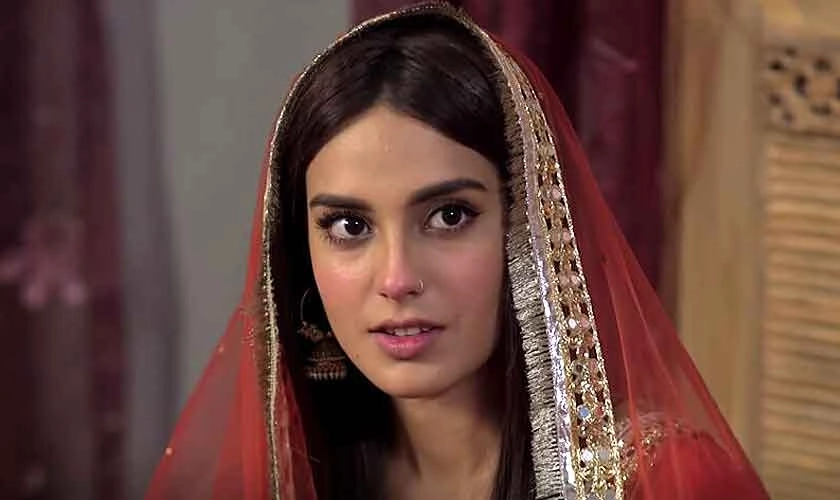
Final Verdict
When writing a comprehensive Ranjha Ranjha Kardi Drama Review, the final verdict must reflect not only the overall impact of the drama but also the way it redefined storytelling in Pakistani television. This serial is remembered as one of those rare gems that successfully blended social commentary, strong character arcs, and raw human emotions. It did not rely on glamour, forced comedy, or predictable tropes; instead, it stood out by highlighting a deeply humane story told with conviction and honesty.
A Masterpiece of Modern Pakistani Television
The ultimate verdict on Ranjha Ranjha Kardi is that it deserves the title of a masterpiece. While many dramas come and go, very few manage to remain etched in the audience’s memory years after airing. This one did. From its gripping narrative to its unforgettable performances, the drama carved its name among the all-time classics of Pakistani entertainment.
The heart of the story lies in its boldness—it dared to portray a mentally challenged protagonist, Bhola, with empathy and realism rather than mockery. This narrative choice was groundbreaking in an industry that often overlooks such subjects. Any Ranjha Ranjha Kardi Drama Review must acknowledge that this show broadened the horizons of Pakistani drama-making.
Strength of Storytelling
The strength of the drama lies in Faiza Iftikhar’s writing, which brought together realism, emotional intensity, and social awareness. Unlike formulaic stories where characters are either completely good or entirely evil, Ranjha Ranjha Kardi gave us layered individuals who made mistakes, learned, and grew.
The verdict here is simple: this drama’s storytelling is timeless. The moral dilemmas faced by Noori, the innocence of Bhola, and the manipulative charm of Sahir all represent real facets of human nature. This complexity makes the drama stand out as an educational yet entertaining piece of art.
Imran Ashraf’s Career-Defining Role
In any Ranjha Ranjha Kardi Drama Review, the final verdict on performances must begin with Imran Ashraf. His portrayal of Bhola was not just convincing—it was transformative. He elevated the role beyond acting and turned it into a lived experience. Fans often say that no one else could have played Bhola the way he did, and that statement itself is a testament to the impact he created.
The final verdict here is clear: Imran Ashraf not only defined his career with Bhola but also set a benchmark for character acting in Pakistani television. His performance will be studied, remembered, and cherished for decades.
Iqra Aziz’s Complex Noori
Iqra Aziz as Noori deserves equal appreciation. Her character was written with shades of gray, which allowed the actress to showcase both vulnerability and resilience. She successfully depicted the struggles of a woman torn between survival and morality, ultimately proving her strength as an actress.
The final verdict on her performance is that it added realism to the story, preventing it from becoming one-dimensional. Without Noori’s layered presence, the drama would have lacked the emotional balance that Bhola’s innocence needed.
Direction and Technical Brilliance
Director Kashif Nisar’s role cannot be ignored in the final verdict. His ability to extract raw performances, handle sensitive themes with grace, and maintain the drama’s pace contributed heavily to its success. From the choice of locations to the subtle use of silence in emotional scenes, his direction elevated the script.
The final verdict here is that Kashif Nisar proved why he is one of the most respected directors in the Pakistani industry. His craft gave Ranjha Ranjha Kardi the cinematic depth that separated it from typical serials.
Cultural and Social Impact
Another factor in the final verdict is the drama’s cultural and social influence. It forced audiences to think about how society treats mentally challenged individuals and how women from underprivileged backgrounds struggle for dignity. The drama became a tool for conversations around empathy, justice, and human values.
Unlike many dramas that are forgotten once they end, Ranjha Ranjha Kardi sparked debates, inspired memes, and became part of everyday conversations. Its impact went beyond entertainment, making it a socially relevant piece of art.
Balancing Strengths and Weaknesses
No drama is perfect, and a fair final verdict must acknowledge weaknesses as well. Some viewers pointed out repetitive story arcs and slightly dragged episodes, especially in the middle portion. However, when weighed against the overall brilliance of the drama, these weaknesses feel minor.
The verdict is that the strengths—storytelling, performances, direction, and emotional depth—heavily outweighed the flaws, making it one of the finest Pakistani dramas ever produced.
Longevity and Rewatch Value
Perhaps the most important aspect of the final verdict is the drama’s longevity. Years after its release, audiences continue to watch, discuss, and recommend it. This rewatch value is rare in the drama industry, where most serials lose relevance quickly. Ranjha Ranjha Kardi remains timeless because it touches universal human emotions that never lose importance.
Overall Final Verdict
To conclude, Ranjha Ranjha Kardi is a drama that redefined storytelling in Pakistan. It gave us one of the most iconic characters in Bhola, portrayed by Imran Ashraf with unmatched brilliance. It presented Noori as a flawed but relatable character and reminded audiences of the value of empathy, resilience, and justice.
Any Ranjha Ranjha Kardi Drama Review would be incomplete without declaring it a groundbreaking and unforgettable piece of art. Despite minor pacing flaws, it remains one of the finest examples of how Pakistani television can entertain while also educating and inspiring.
The final verdict is simple: Ranjha Ranjha Kardi is not just a drama—it is an experience, a cultural milestone, and a timeless treasure that continues to live in the hearts of audiences across generations.
Conclusion: Wrapping Up the Ranjha Ranjha Kardi Drama Review
As we come to the conclusion of the Ranjha Ranjha Kardi Drama Review, it becomes evident that this serial was not just another evening entertainment slot—it was a groundbreaking masterpiece that redefined the essence of Pakistani storytelling. With its emotionally charged narrative, power-packed performances, and meaningful themes, Ranjha Ranjha Kardi managed to balance art with social awareness, cementing itself as one of the greatest dramas in recent memory. Wrapping up this review requires reflecting on the drama’s influence, its timeless appeal, and the lessons it continues to teach viewers years after its broadcast.
A Story Rooted in Reality
The most powerful takeaway from Ranjha Ranjha Kardi is its authenticity. Unlike typical serials that recycle clichés, this drama explored raw, real, and often uncomfortable truths about society. The tale of Noori’s struggles, Bhola’s innocence, and Sahir’s manipulation served as a mirror to our world—where survival often clashes with morality and where love must navigate endless hurdles.
In this Ranjha Ranjha Kardi Drama Review, the conclusion cannot be complete without recognizing that the story was a bold attempt at shedding light on underrepresented themes. From mental health awareness to class disparity, every episode contributed toward building a narrative that was socially relevant and emotionally engaging.
Performances That Elevated the Drama
A key part of wrapping up this review is revisiting the performances. Imran Ashraf’s portrayal of Bhola deserves to be remembered as one of the most iconic characters in the history of Pakistani television. His ability to capture Bhola’s innocence, vulnerability, and emotional complexity redefined acting standards.
Iqra Aziz’s Noori was equally essential. Her journey from an ambitious girl striving for dignity to a woman burdened with sacrifices reflected countless real-life struggles. Sahir, portrayed with conviction, stood as a reminder of betrayal and human selfishness. Together, these performances added depth, making the drama unforgettable.
Thus, the conclusion here is simple: without such stellar acting, Ranjha Ranjha Kardi would not have reached the heights it did.
Direction and Craftsmanship
No review would be complete without praising the direction of Kashif Nisar. His masterful handling of delicate themes made this drama shine. Each frame, each silence, and each dialogue delivery was crafted to ensure that the viewers not only watched but also felt the emotions being conveyed.
The direction provided the bridge between a brilliant script and powerful performances. Wrapping up, it is clear that the drama’s success owes a significant portion to Kashif Nisar’s visionary approach.
The Impact on Society
A proper Ranjha Ranjha Kardi Drama Review must highlight its societal impact. The drama sparked much-needed conversations about mental health, empathy, class struggles, and the way society marginalizes individuals who do not fit conventional molds. Bhola’s character in particular broke stereotypes, teaching viewers compassion and patience.
The conclusion is that Ranjha Ranjha Kardi transcended entertainment—it became an eye-opener that challenged societal norms while still entertaining millions.
Strengths That Overshadow Weaknesses
Every drama has flaws, and Ranjha Ranjha Kardi was no exception. At times, the pacing slowed, and certain arcs felt repetitive. However, when measured against its strengths—unparalleled acting, powerful dialogues, and meaningful storytelling—these weaknesses feel insignificant.
The wrap-up verdict is that the drama’s brilliance outshines its minor shortcomings, making it a timeless classic.
Why It Still Resonates
Even years after airing, audiences still revisit Ranjha Ranjha Kardi. The reason lies in its universal themes—love, betrayal, justice, greed, and resilience. These are emotions and struggles that never lose relevance. Whether it is Bhola’s innocence that melts hearts, Noori’s dilemmas that evoke empathy, or Sahir’s betrayal that fuels anger, every character still feels relatable.
The conclusion is that the drama’s longevity comes from its timeless exploration of human emotions.
Final Reflections
Wrapping up the Ranjha Ranjha Kardi Drama Review, the drama stands as a benchmark for quality storytelling in Pakistan. It proved that television can go beyond escapism, delivering socially relevant narratives without losing mass appeal. Its success lies in the way it blended realism with emotion, art with message, and tragedy with hope.
The conclusion is that Ranjha Ranjha Kardi is not just a drama but an unforgettable experience—one that continues to inspire future storytellers and leaves viewers with lessons of empathy, love, and resilience.
Closing Note
In conclusion, the drama’s legacy lives on not just because of Bhola’s innocence or Noori’s strength but because it dared to tell a story that mattered. It taught us that the greatest dramas are not those that simply entertain but those that leave lasting impressions, change perceptions, and ignite meaningful conversations.
Any Ranjha Ranjha Kardi Drama Review must end by declaring it as one of the finest contributions to Pakistani television—an artistic triumph, a cultural milestone, and a timeless treasure.
FAQs – Ranjha Ranjha Kardi Drama Review
Q1: What is the story of Ranjha Ranjha Kardi?
The drama revolves around Noori, a young woman struggling with poverty and societal rejection, who eventually marries Bhola, a mentally challenged yet innocent man. The story highlights love, betrayal, and survival, while addressing deep social issues.
Q2: Who played the role of Bhola in Ranjha Ranjha Kardi?
Imran Ashraf brilliantly portrayed the character of Bhola. His performance received massive acclaim and is considered one of the most iconic roles in Pakistani drama history.
Q3: Who is the female lead of Ranjha Ranjha Kardi?
Iqra Aziz played the lead female role, Noori. Her character’s journey from hardship to sacrifice made her one of the most memorable heroines in recent television history.
Q4: What message does Ranjha Ranjha Kardi deliver?
The drama emphasizes empathy, patience, and compassion, especially towards individuals with mental health challenges. It also sheds light on poverty, betrayal, greed, and resilience in the face of adversity.
Q5: Who directed Ranjha Ranjha Kardi?
The drama was directed by Kashif Nisar, who is known for his exceptional storytelling style and ability to handle sensitive topics with depth and realism.
Q6: How many episodes are there in Ranjha Ranjha Kardi?
Ranjha Ranjha Kardi consists of 31 episodes, each filled with powerful performances, emotional twists, and meaningful storytelling.
Q7: Why is Ranjha Ranjha Kardi so popular?
The drama gained popularity due to its unique storyline, outstanding performances, especially Imran Ashraf as Bhola, and its ability to address social issues that are often ignored in mainstream dramas.
Q8: Where can I watch Ranjha Ranjha Kardi?
You can watch the complete drama on Hum TV’s official YouTube channel and other licensed streaming platforms.
Q9: What genre is Ranjha Ranjha Kardi?
It is a social romantic drama with elements of tragedy, realism, and emotional depth.
Q10: Is Ranjha Ranjha Kardi worth watching today?
Yes, absolutely. Even years after its release, the drama continues to resonate with audiences due to its timeless themes of love, loyalty, betrayal, and justice.